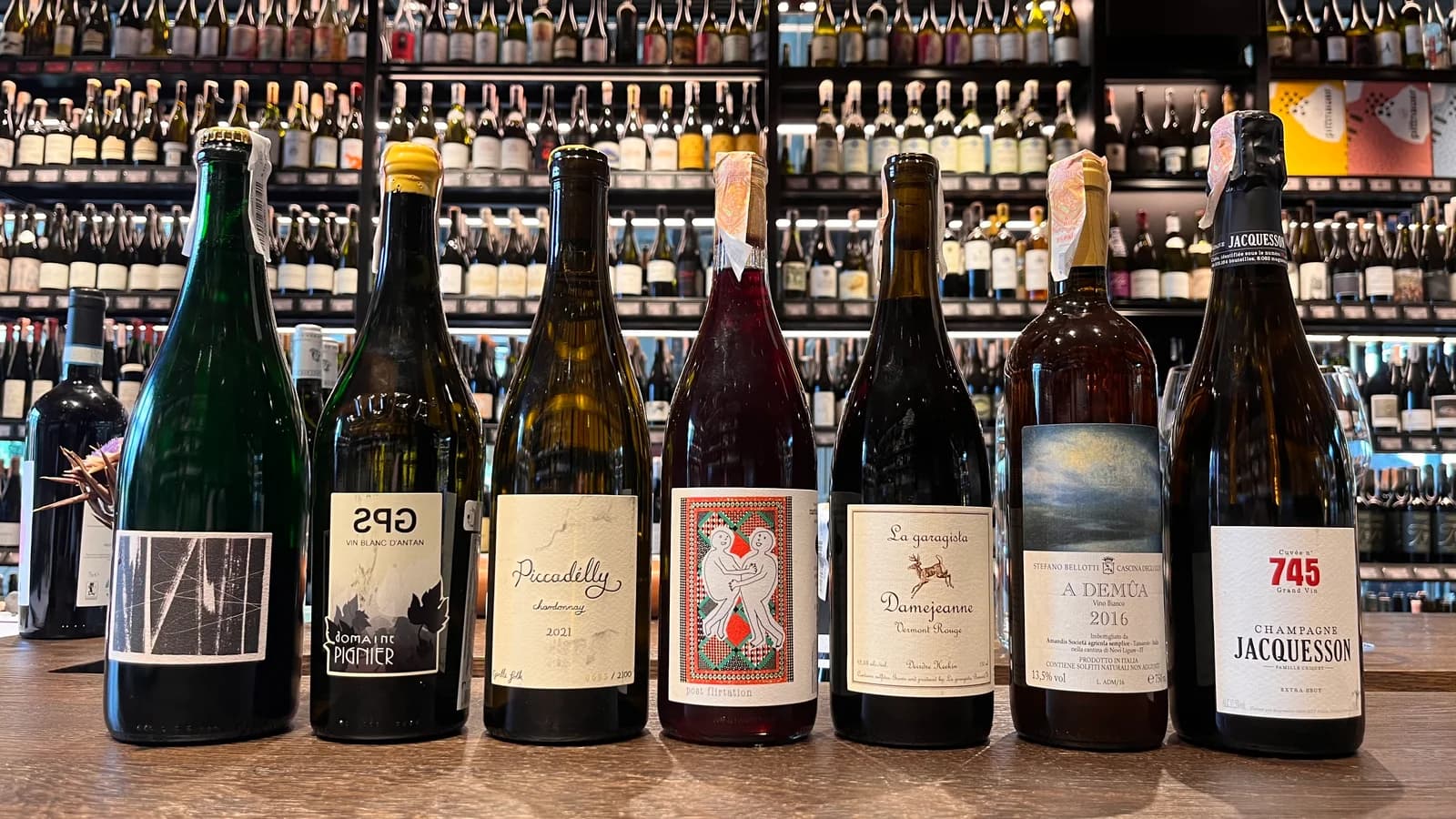
Mixed Bag Vol. 7
By Boris · Hosted by Boris Buliga
Once upon a time, a man qualified his action as a happy little accident. And everyone liked that. I am no artist. I am just an average wine enjoyer. So when Ivan Om asks me to be a keeper of the sacred Cube - in fear of boringness, I invite people for a small wine-tasting event. Luckily, there were enough people brave (or rather bored) enough to join the vigil. And luckily for us, my bag is full of surprises. The Mixed Bag is back! And not only on my back. Greet the heroes!
Bencze Pétillant Blanc 2022
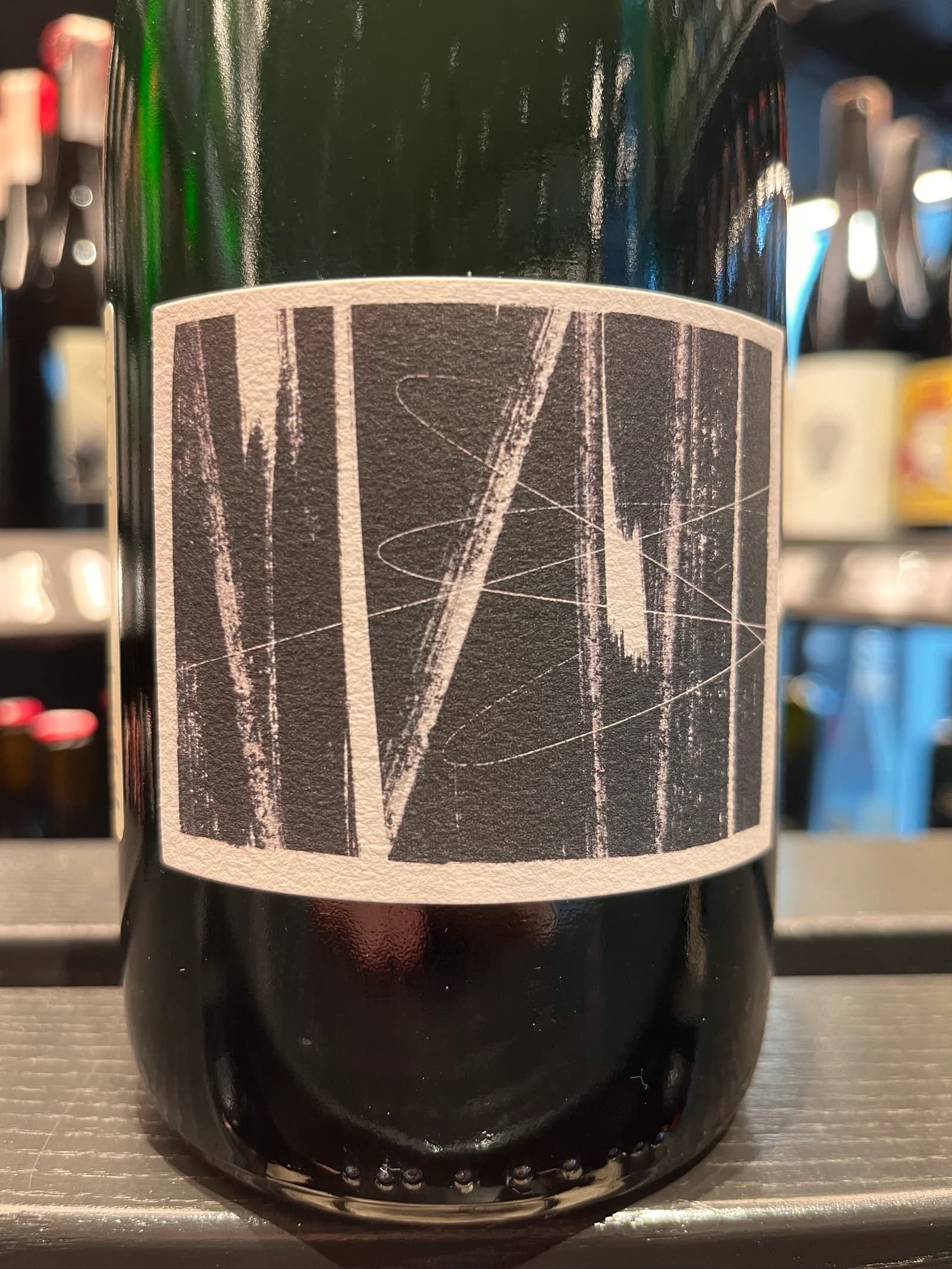
A welcome drink should be simple, refreshing and fun. Bencze story is a fairy tale they keep whispering at the oh-so-natural-booze-centric events. Do you want me to repeat it? Nah, I am too lazy to bother. Besides, we focus on other things during the first ten minutes of any event. Alright. This paragraph has enough words for my unprofessional markup to look good enough for us to jump to the next wine. Don't fret! Things are going to be smoother.
Domaine Pignier GPS Vin Blanc d'Antan 2018
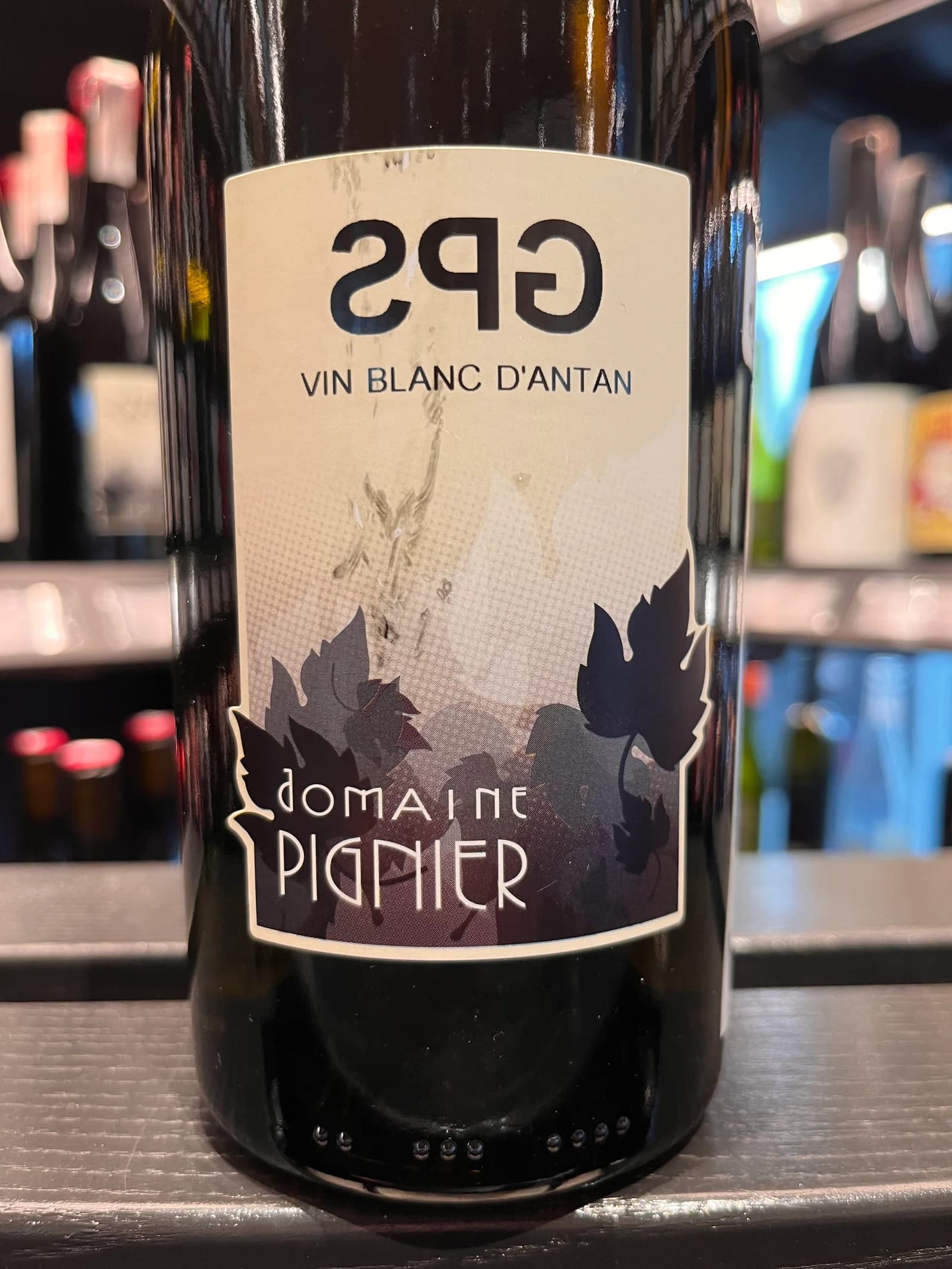
The name comes from three grapes used for this wine - 40% White Gamay (the former name of Chardonnay), 40% Poulsard and 20% Savagnin. The grapes are planted together as "complantées" - an old wine-growing method whereby a mixture of grape varieties are planted side by side in the same plot.
Southwest exposure on limestone Lias marls with some scree. Biodynamic vines inspected and certified by Demeter France since 2003: use of horn dung (500P), silica (501) and herbal tea treatments.
Slow pressing of the 3 grape varieties together. Fermentation and ageing in oak barrels with no added $SO_2$, regular topping-up and bottling seven months after harvest on a "flower" day according to the lunar calendar. So around 6 months of ageing in the used oak.
Gentle Folk Piccadilly Chardonnay 2021
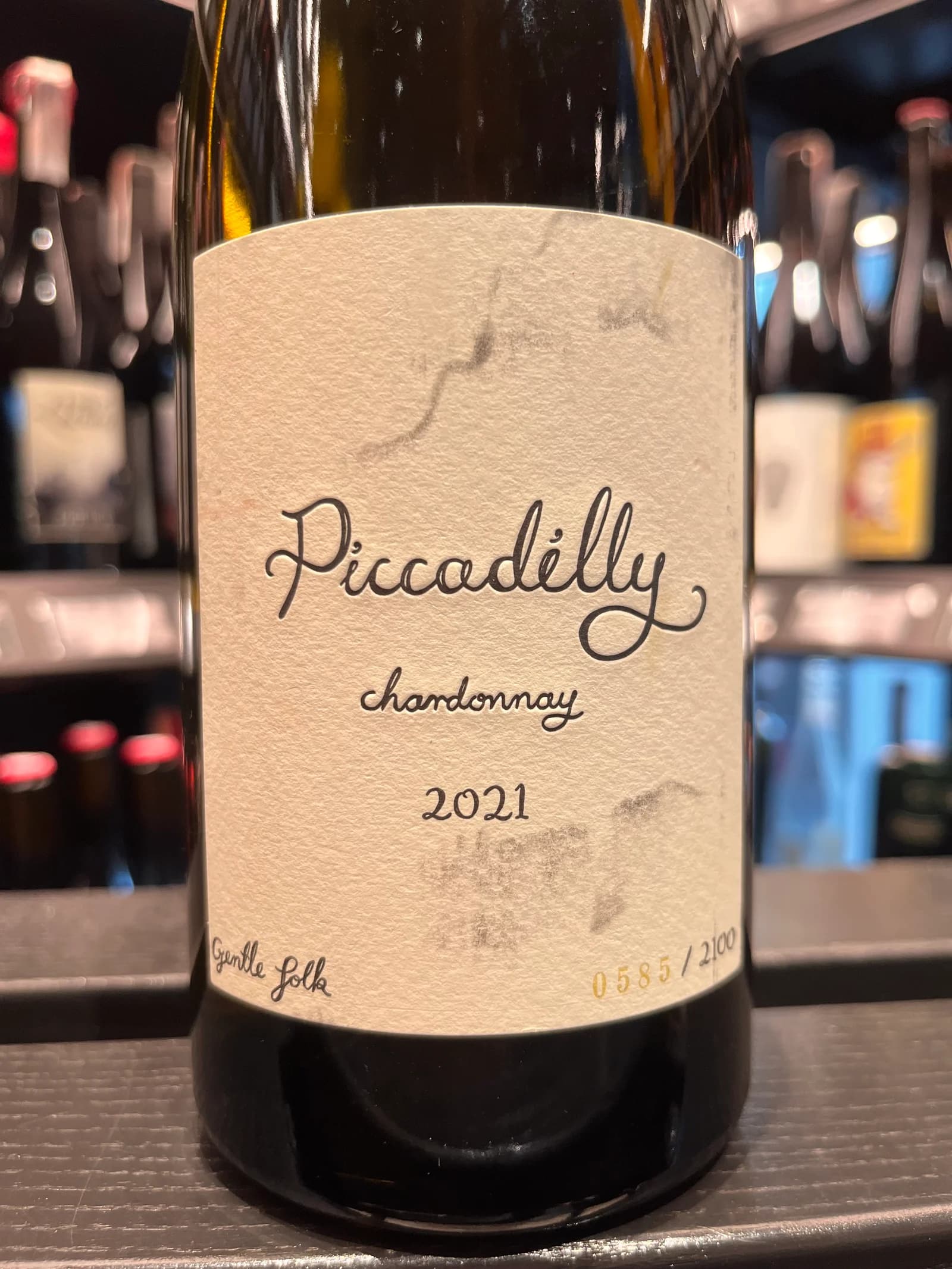
Meet Gareth and Rainbo Belton, the country's leading experts in seaweed. They caught the wine bug a few years ago. And now they run a winery making small batches of fun and creative wines with their friends in the Basket range. Aye, we are still in Adelaide Hills. But don't worry, we are in the loving hands of Gentle Folk. Their focus is mainly on Pinot Noir and Chardonnay. And at last, we are going to taste their Piccadilly Chardonnay!
The grapes come from Udy's RD vineyard in the heart of Piccadilly where the wines are renowned for their power and flair. It's 1.4 hectares of Chardonnay vines planted in 1983. They enjoy west exposure on 525 meters above the sea level growing on quartz rubble over siltstone, sandstone and clay.
Whole bunches crushed and pressed to tank for settling overnight before racking off solids to barrel. The wine spent eleven months in French and Austrian oak, 20% new. Bottled under DIAM cork, sealed with wax.
Martha Stoumen Post Flirtation Red 2018
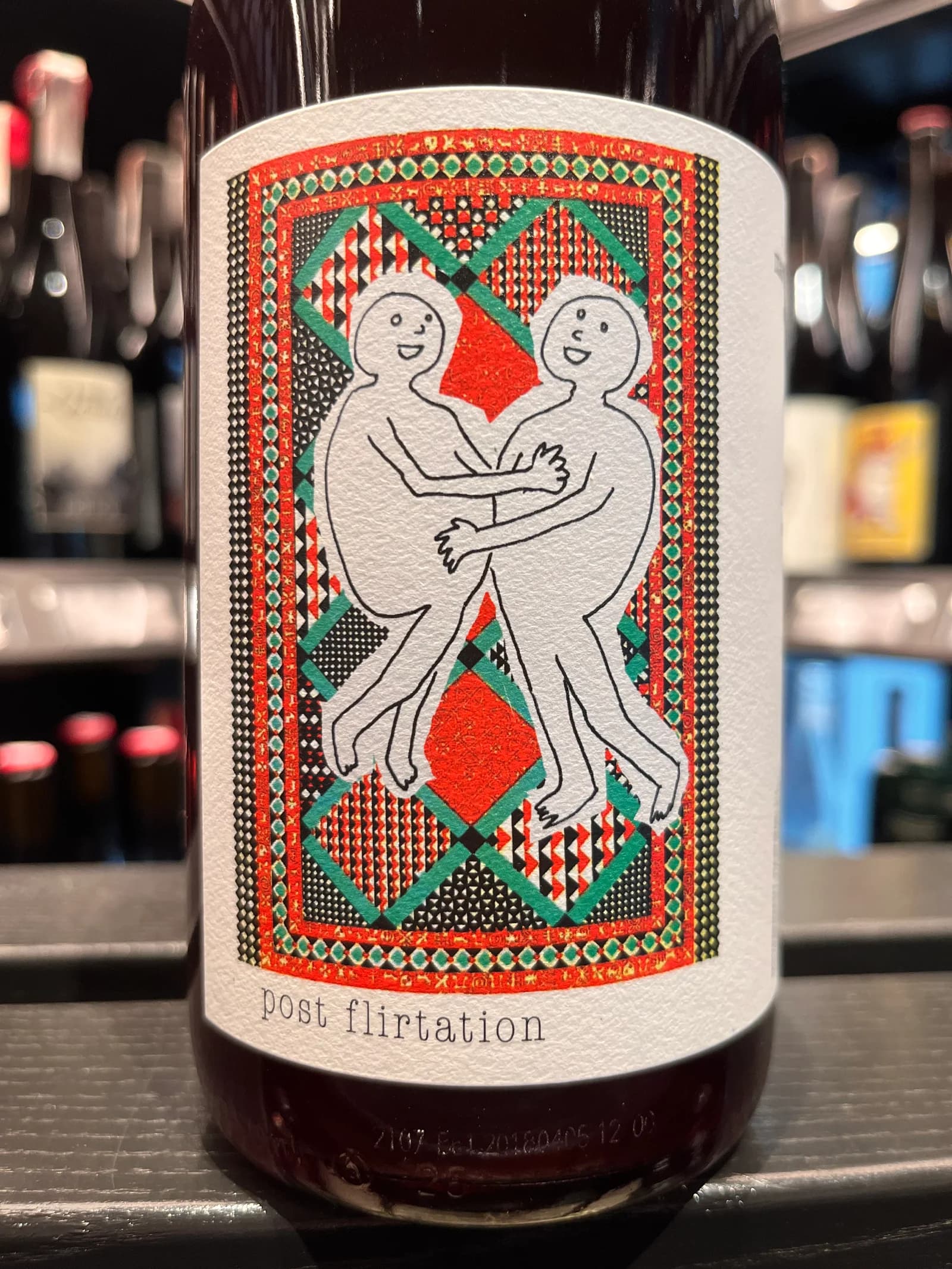
A classical Californian blend of Zinfandel and Carignan. The former comes from Del Barba Vineyard, Contra Costa County. This dry-farmed vineyard was planted in 1960 and grown without pesticides and herbicides. Carignan comes from certified organic Ricetti Vineyard in Mendocino County. It was planted in 1948 and is also dry-farmed.
This wine is so joyous, and to me, distinctly Californian. I never knew how much I loved Zinfandel until I started working as Chris Brockway's (Broc Cellars) Assistant Winemaker. When picked before the grape berries begin to shrivel, you get these amazing hibiscus, rhubarb, pomegranate, and baking spices from Zin. Like an avocado, the window is small between unripe and overripe for Zin, and I watch this vineyard closely. Carignan, Zin's less celebrated companion, provides a savory component reminiscent of driving through California chaparral, and, like Ricetti's, can be incredibly complex with 70 years of vine age. I'm not re-inventing the wheel with this classic old vine Zin/Carignan blend, just lightening things up a bit.
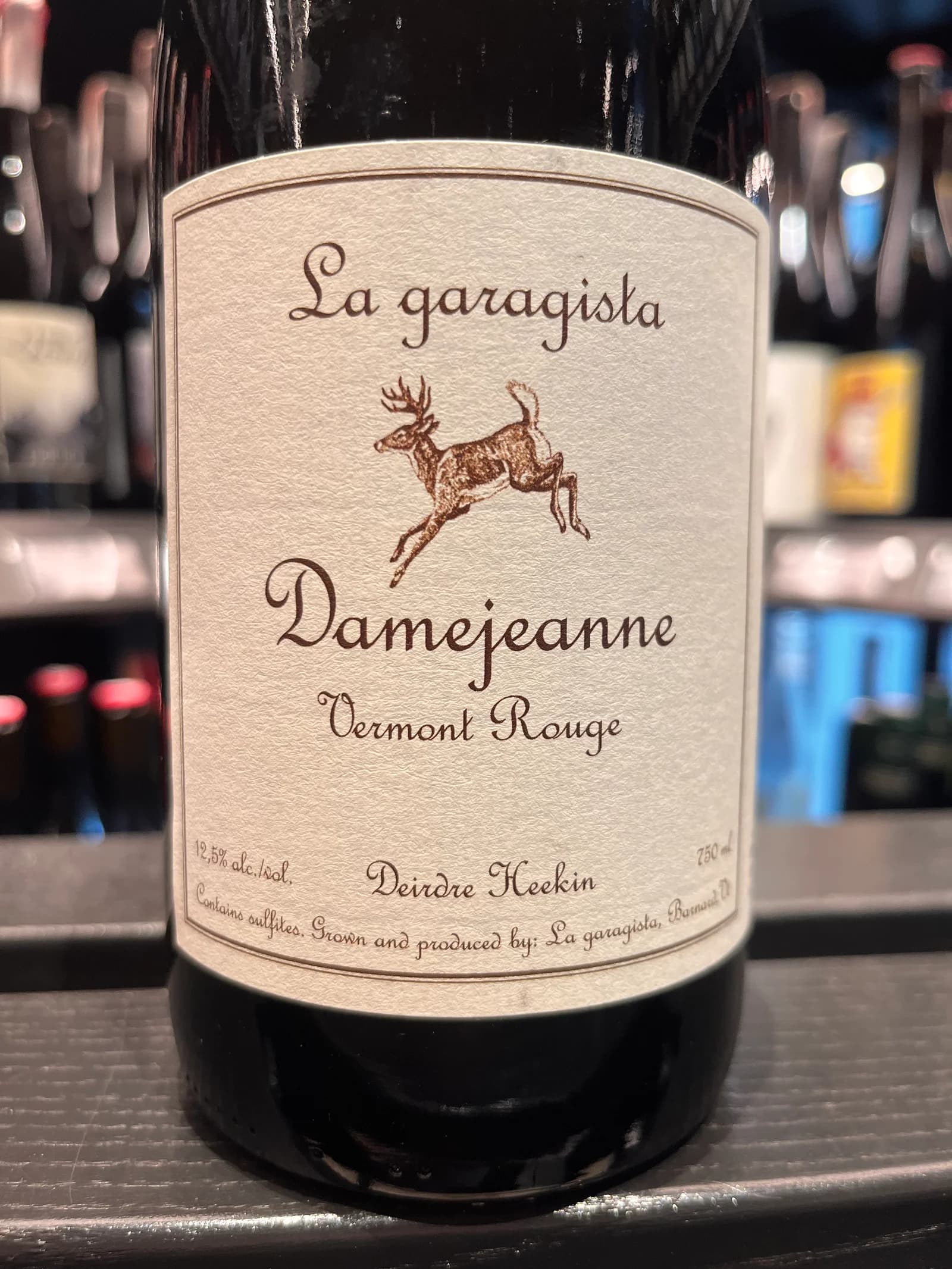
La Garagista Demejeanne Vermont Rouge 2018
The history of winemaking in the North America is a tale of the shattered hopes of would-be wine-growers. When the early colonists first landed in North America, they were impressed by the lush vines whose fruit decorated the forests. Yet the wines made of these grapes were 'foxy' - the earthy muskiness was prevalent in the smell and flavour. Europeans didn't enjoy the result, so they decided to bring vines from their homelands. Yet they struggled and failed to grow European vines. The plants withered and died. Having no notion of what was killing their vines, the colonists assumed it was their fault and kept trying different varieties and methods.
Today we know that diseases and climate caused these troubles. Phylloxera, the deadliest enemy of European vines, riddled American soil. The hot, humid summers of the south and east encouraged diseases unknown in Europe. And in the north, imported vines died because of harsh winters. Yet native American vines developed resistance to all of these hazards.
Success came with accidental hybrids of Vitis vinifera (Europe's only vine species) and local Vitis labrusca. New vines were resistant, and the wines produced were less faulty. With this discovery, a new era in American winemaking started. But that's the story for another time.
La Garagista (one who makes wine in a garage) is located on Mount Hunger at the edge of the forest in the Châteauguay and in the Piedmont chain of hills in Barnard, Vermont, USA. It's a small homestead farming focused on vines, but they also grow vegetables, fruits, flowers, and herbs for personal consumption. Deirdre Heekin and Caleb Barber started the farm in 1999, yet the winery opened its doors in 2010 with the first vintage. They currently make around 34 distinct cuveés, including several ciders.
Marquette is an inter-species hybrid red wine grape variety. Like most other hybrids used in Vermont, it was developed at the University of Minnesota as part of its grape breeding program1. Its goal is to develop high-quality, cold-hardy, and disease-resistant wine cultivars. Marquette is a cross between the other two hybrids - MN 10942 (aka Minnesota 1094) and Ravat 2623 (aka Ravat Noir). Marquette was introduced in 2006 and has good resistance to downy mildew, powdery mildew, and black rot, as well as being cold hardy (survives -37°C when fully dormant).
In 1347 Queen Joanna of Naples was exiled to Avignon. Caught in the mistral, she sought refuge in the small castle of a gentleman glazier. When she was shown into his atelier the next day, she startled the artisan at his work. The result was a bulbous vessel that could hold ten liters. Instead of calling the broad-shaped bottle Jeanne-Reine, the modest queen suggested he call it Lady Jane, or Dame-Jeanne.
Marquette grapes are sourced from Vergennes vineyard located on the hills and valleys of Vermont. Grapes are fermented on their skins with native yeasts and blended after a year of élevage in glass demijohns.
Cascina Degli Ulivi A Demûa 2016
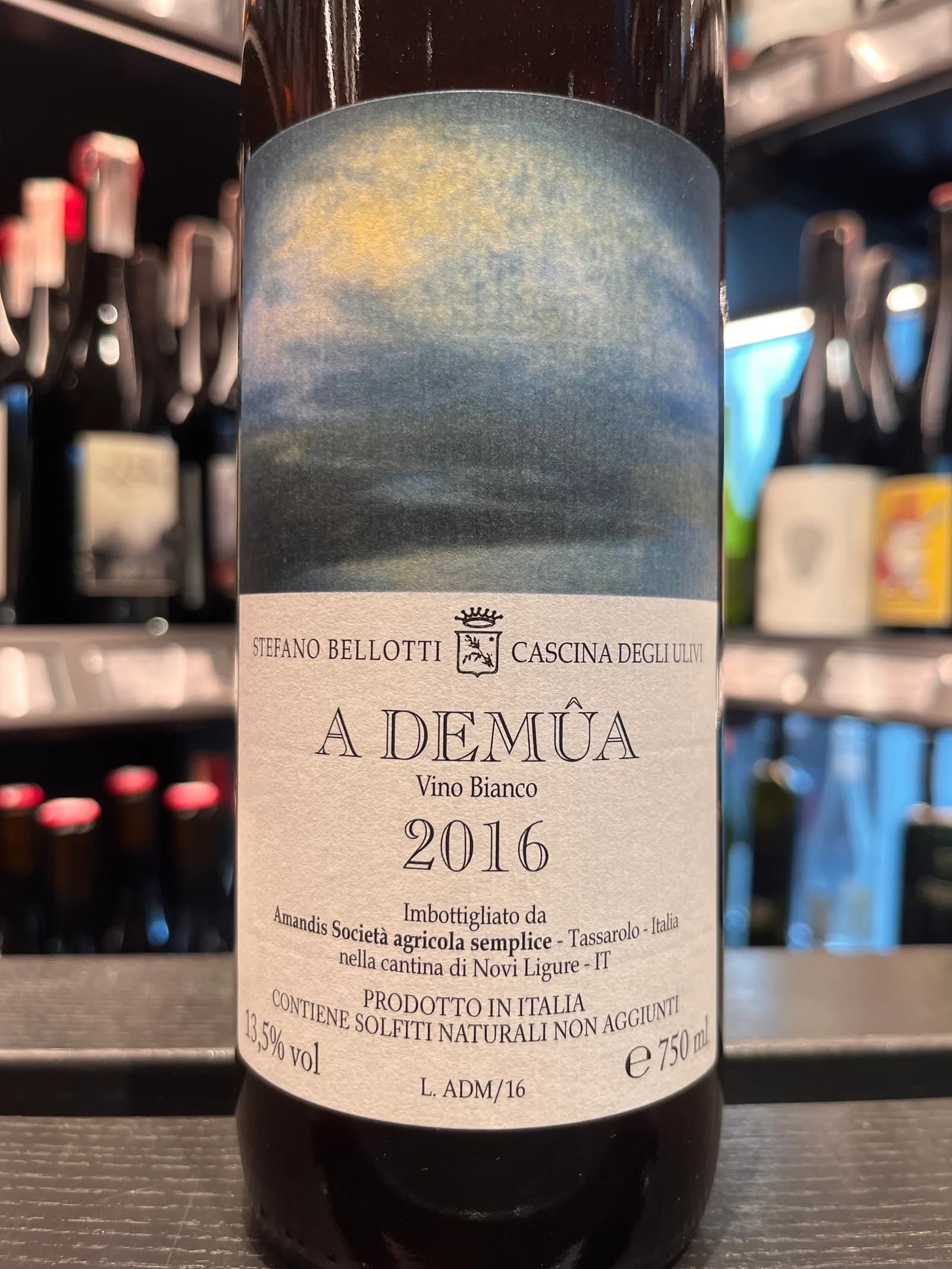
The late Stefano Bellotti played a crucial role in the biodynamic movement in this region. It doesn't feel morally correct to copy-paste the story of Stefano Bellotti, so if you are curious, just read it on Bowler or Louis/Dressner's websites.
Over 100 years old vines. The odd combo of grapes in this wine (Timorasso, Verdea, Bosco, Riesling, Chasselas) are all co-planted together in the Filagnotti vineyard. They existed well before Stefano started working this land in the 80's. No one knows why these grapes were chosen. The vines are planted in deep clay with iron oxide. Nine months of maceration on the skins in botti with a submerged cap. After a racking, the wine ages on its lees for another two months.
Jacquesson Cuvée 745 Grand Vin (2017) NV
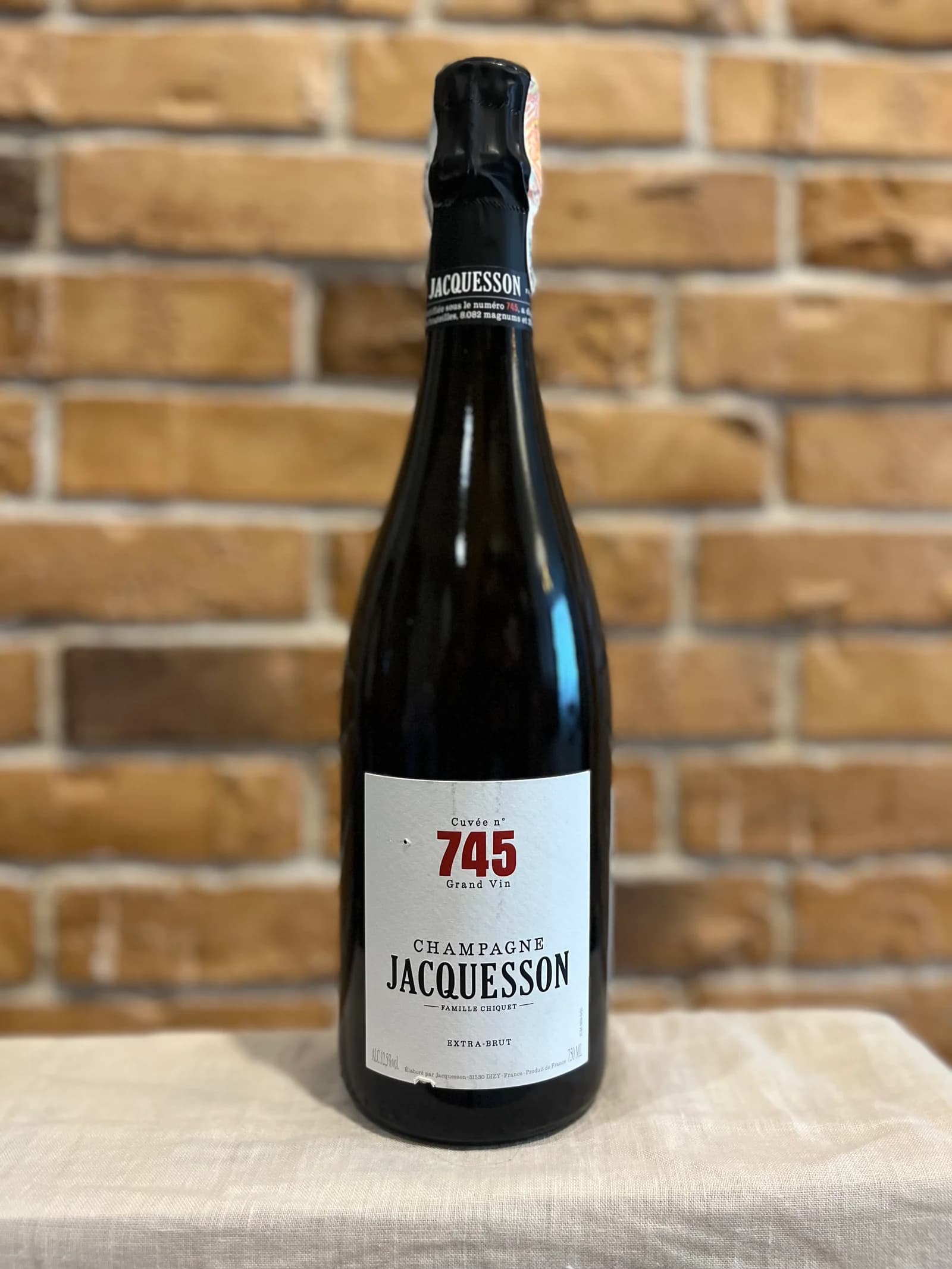
Arguably, Jacquesson is the least interesting producer you can find in Champagne. In fact, the house is so mediocre that I won't bother sharing anything about Jacquesson and Jean-Hervé Chiquet specifically.
In all seriousness, my love for Champagne started with a bottle of Jacquesson Cuvée 742. A complex and friendly wine. I am going to write a little bit more about Jacquesson in the near future, so stay tuned. I hope that during the event I was able to explain what makes them so unique.
Raw scores
Resources
- Domaine Pignier
- Gentle Folk
- Martha Stoumen
- La garagista
- In the beginning was the grape | JancisRobinson.com
- The founder vine varieties | JancisRobinson.com
- Vitis International Variety Catalogue
Footnotes
-
U of M Expertise : Grapes : University of Minnesota. (n.d.). ↩
-
Julius Kühn-Institut (JKI), Federal Research Centre for Cultivated Plants, Institute for Grapevine Breeding, Geilweilerhof ,Siebeldingen, Erika Maul, Reinhard Töpfer, Alina Ganesch. (n.d.). MINNESOTA 1094. Julius Kühn-Institut (JKI), Federal Research Centre for Cultivated Plants, Erika Maul. ↩
-
Julius Kühn-Institut (JKI), Federal Research Centre for Cultivated Plants, Institute for Grapevine Breeding, Geilweilerhof ,Siebeldingen, Erika Maul, Reinhard Töpfer, Alina Ganesch. (n.d.-b). RAVAT NOIR. Julius Kühn-Institut (JKI), Federal Research Centre for Cultivated Plants, Erika Maul. ↩