All producers
Fedellos do Couto
Galicia, Spain12 wines4.0 avg
84
Slate-and-Mencía wines in the Sil and Bibei canyons - part of the Ribeira Sacra natural-wine revival.
Ribeira Sacra - popularly traced (via Yepes's 17th-century chronicle) to Rivoyra Sacrata, "Sacred Riverbank," though philologists argue the older form was revoyra sacrata, "sacred oak grove" - is one of the most dramatic viticultural landscapes in Europe. Vineyards are cut into vertiginous schist and slate cliffs above the river canyon, sometimes only reachable by boat. Harvests are, in the jargon, heroic. Storms blow in from the Atlantic, morning fogs settle in the canyons, mildew is a constant companion. The fact that people grow vines here at all - and that some of them do so organically or biodynamically - is not normal.
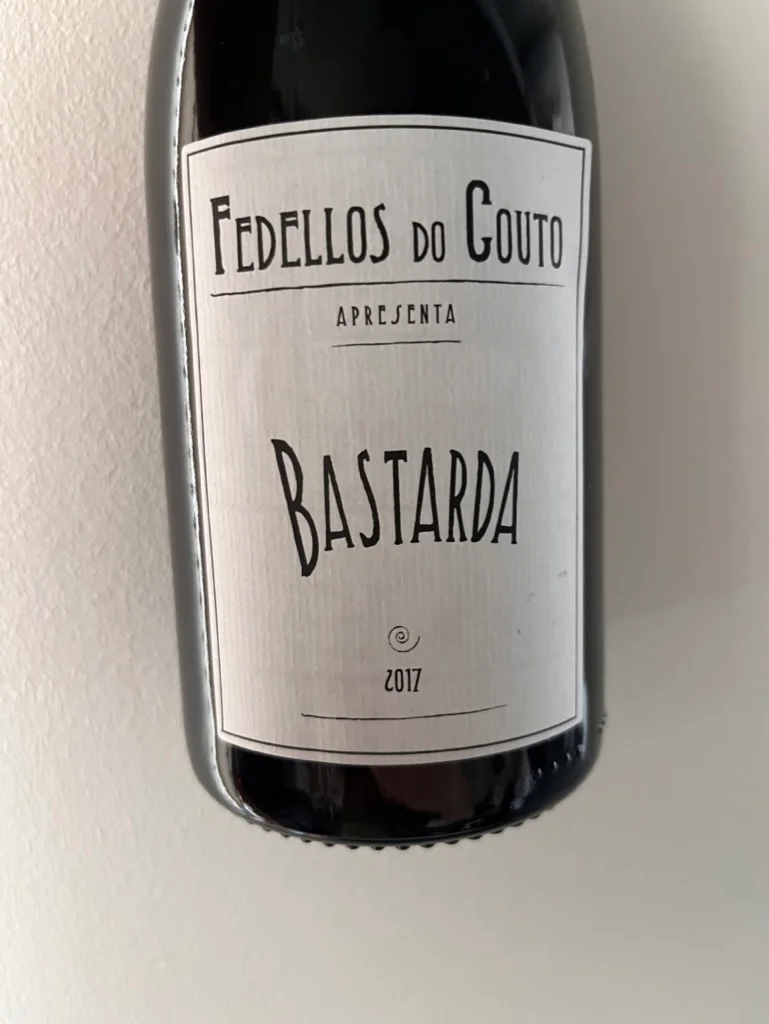
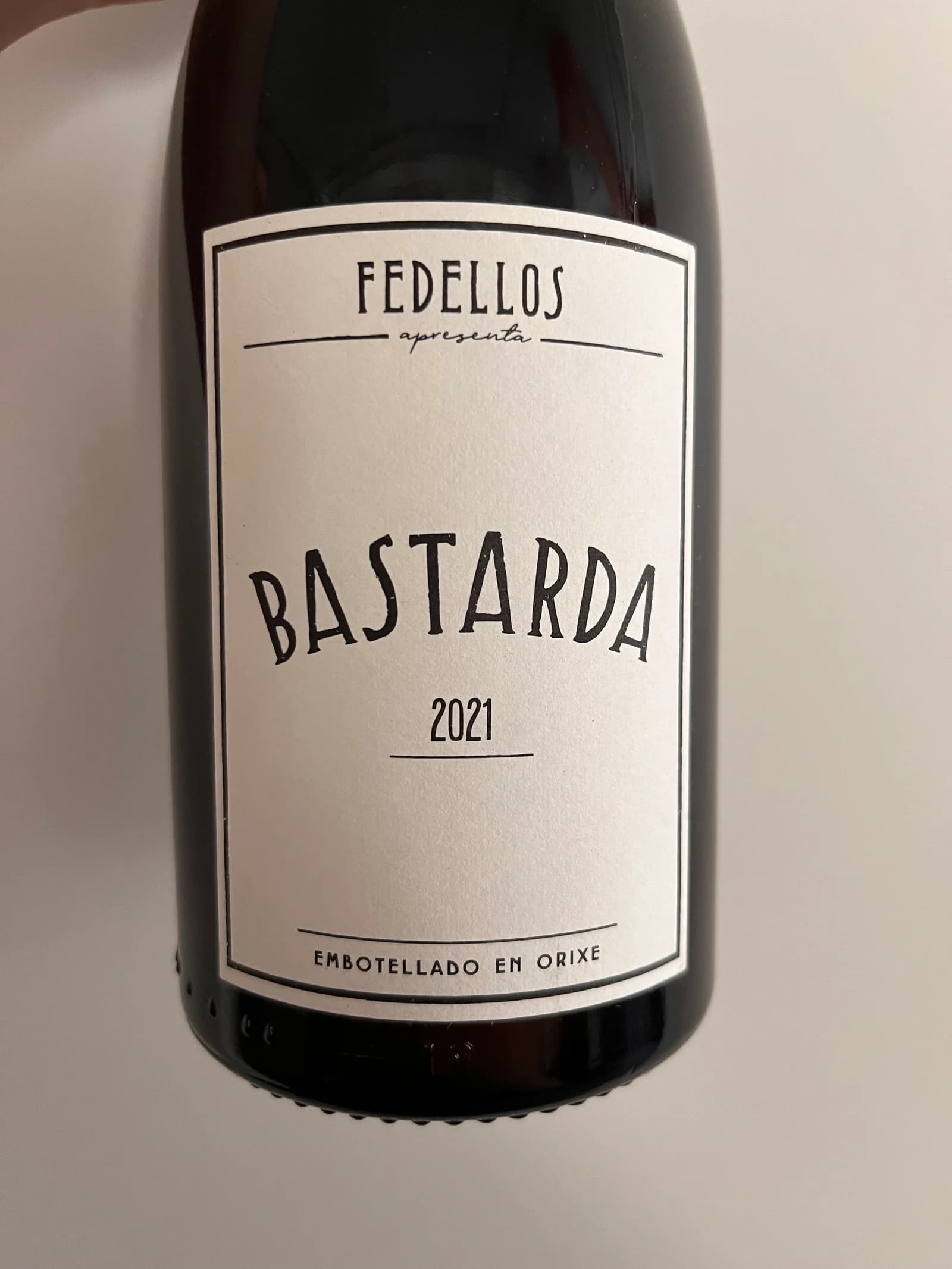
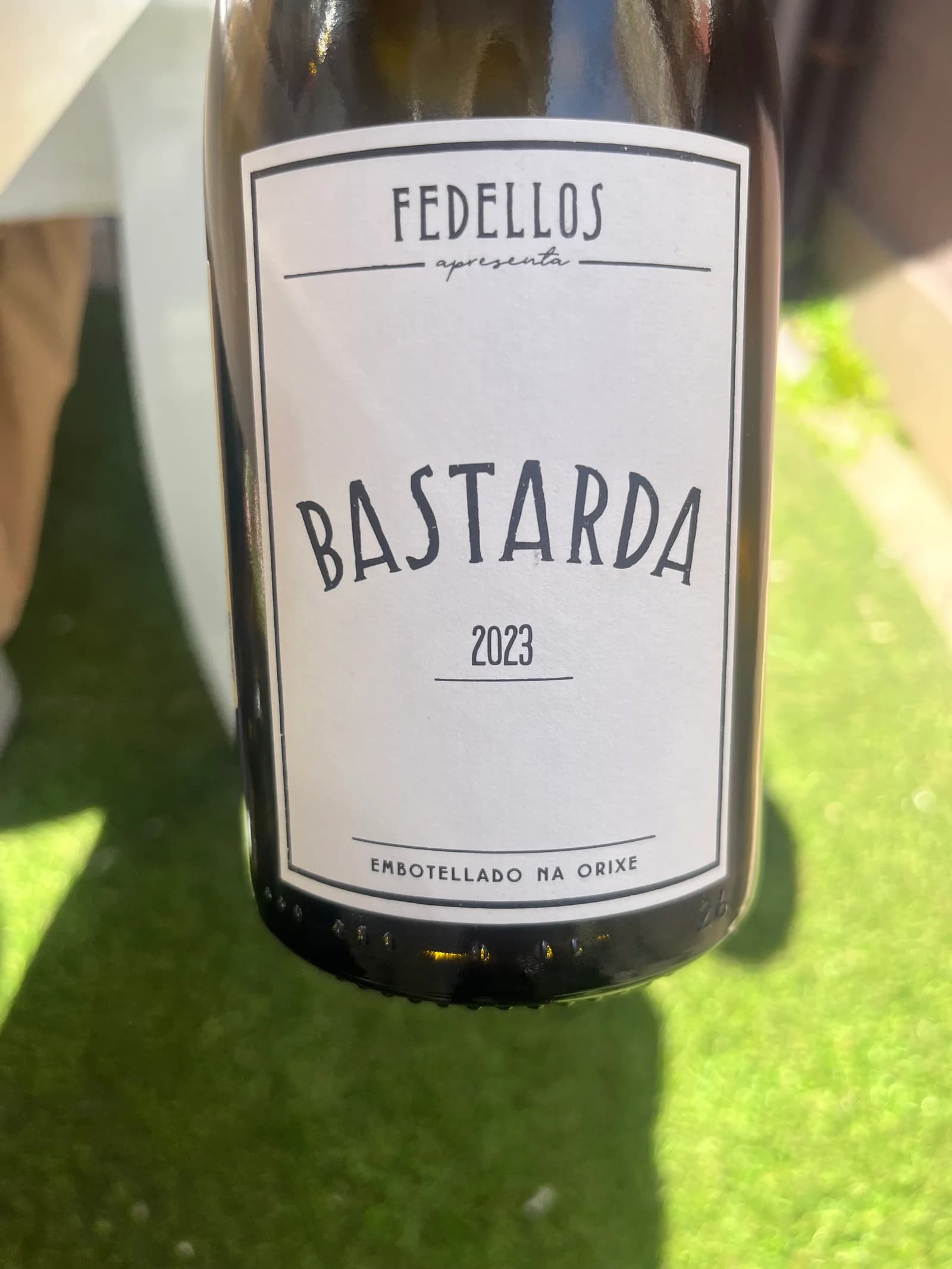
Fedellos do Couto was founded in 2011 by four people. Luis Taboada, whose family has owned the twelfth-century Pazo do Couto manor for generations, provided the base and the name (Fedellos means something like "brats"; Couto is the estate). Pablo Soldavini brought the viticulture. And Curro Barreño and Jesús Olivares - winemakers from the Sierra de Gredos, originally part of the team at Ronsel do Sil - brought the cellar philosophy. Barreño and Olivares are also behind Ca' di Mat and Peixes. As the project evolved it consolidated around Barreño and Olivares and exited DO Ribeira Sacra - the DO judged several of the wines (notably the Merenzao-based Bastarda) atypical, and the varietal range had outgrown the appellation's authorised list. Fedellos was merged with Peixes, and recent vintages are labelled simply Fedellos rather than Fedellos do Couto.
The vineyards - around twelve hectares across the Sil and Bibei river canyons, at altitudes of three hundred and fifty to seven hundred and fifty metres - are many rented or recovered from abandoned sites, mostly north- or east-facing, mostly old (fifteen to seventy years, some far older). Schist and decomposed granite, often called "slate" in the trade, on impossibly steep terraces. Reds are Mencía, Merenzao (Trousseau, called Bastardo in these hills), Mouratón, Caiño Tinto, Sousón, Negreda, Garnacha Tintorera. Whites are Godello, Doña Blanca, Treixadura, Lado, Albariño, Torrontés. Many of these names will be unfamiliar even to people who drink a lot of Galician wine.
In the cellar: native yeasts, co-fermentation of old-vine field blends, long maceration in concrete and open-top tanks, aging in neutral French oak (500-litre demi-muids) and foudre, low sulphur (not zero, but low), unfined and unfiltered.
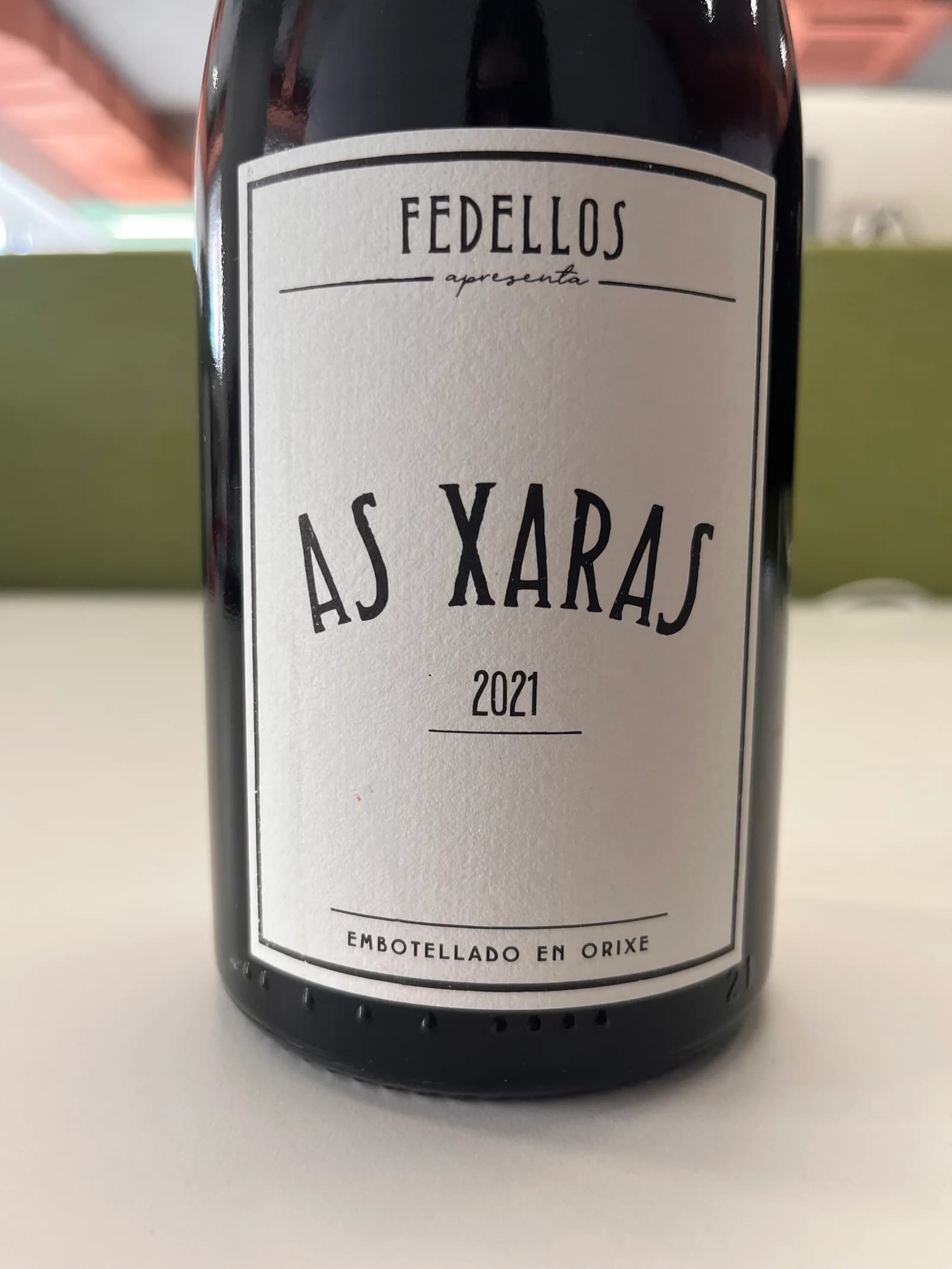
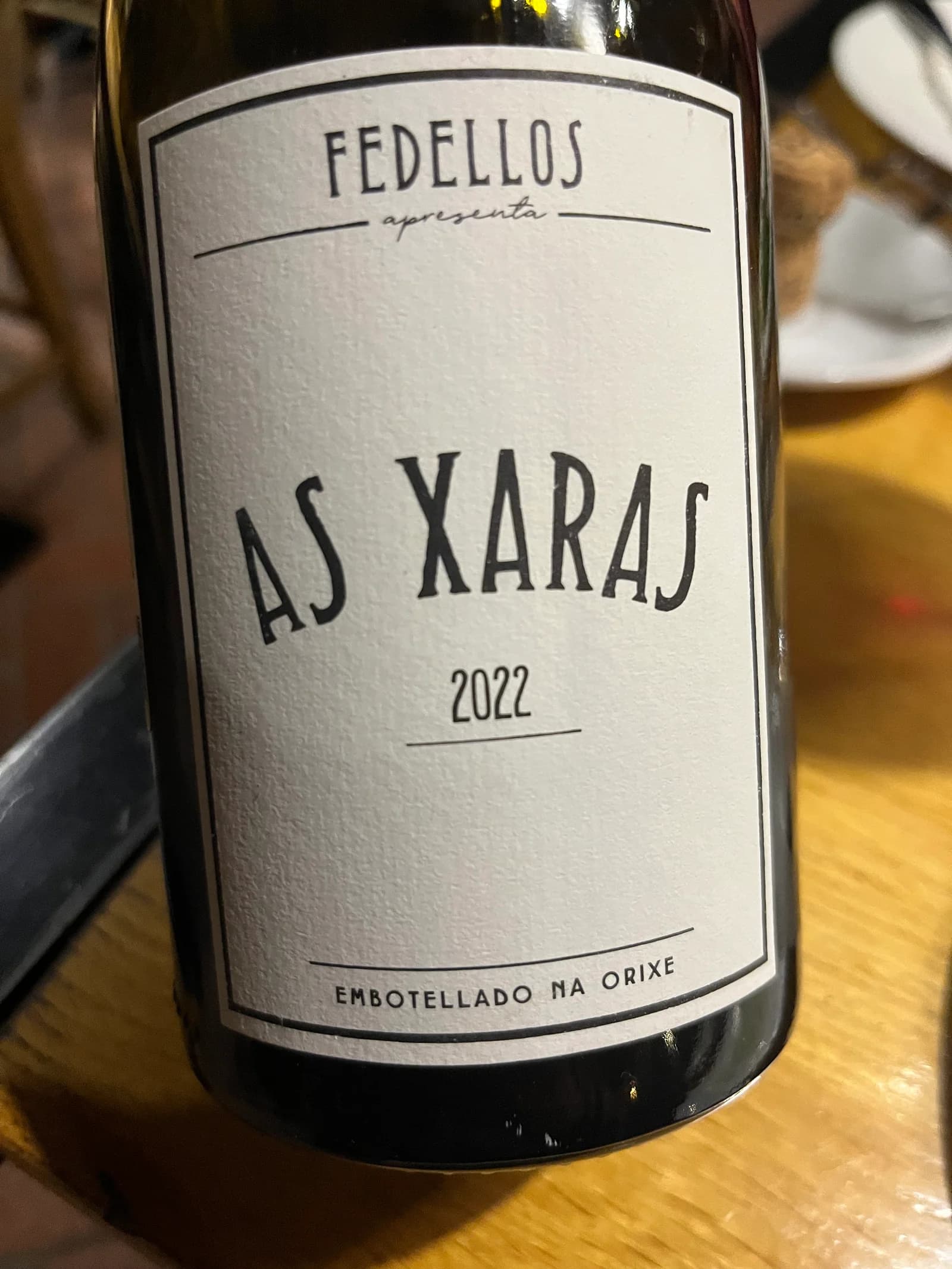
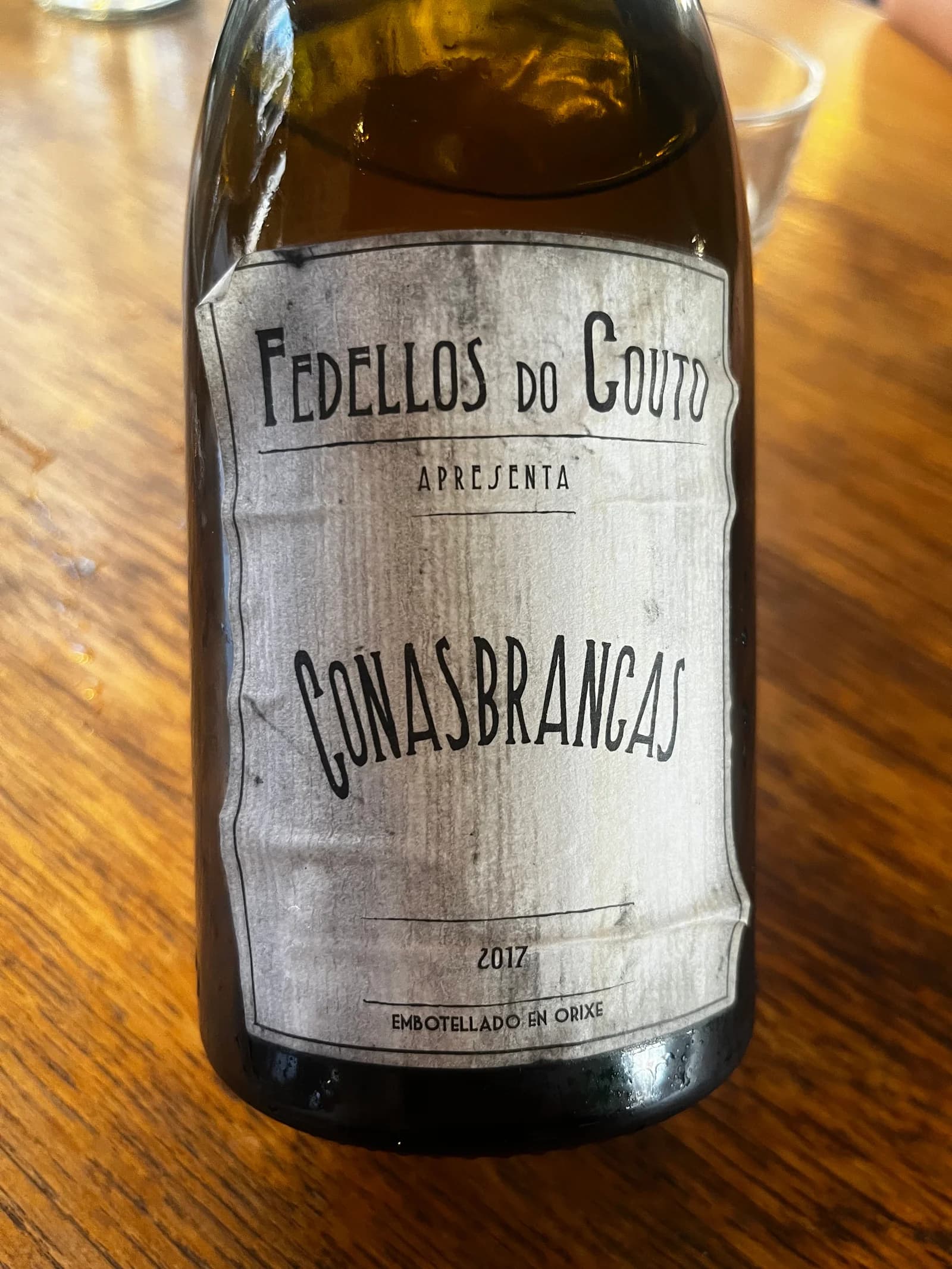
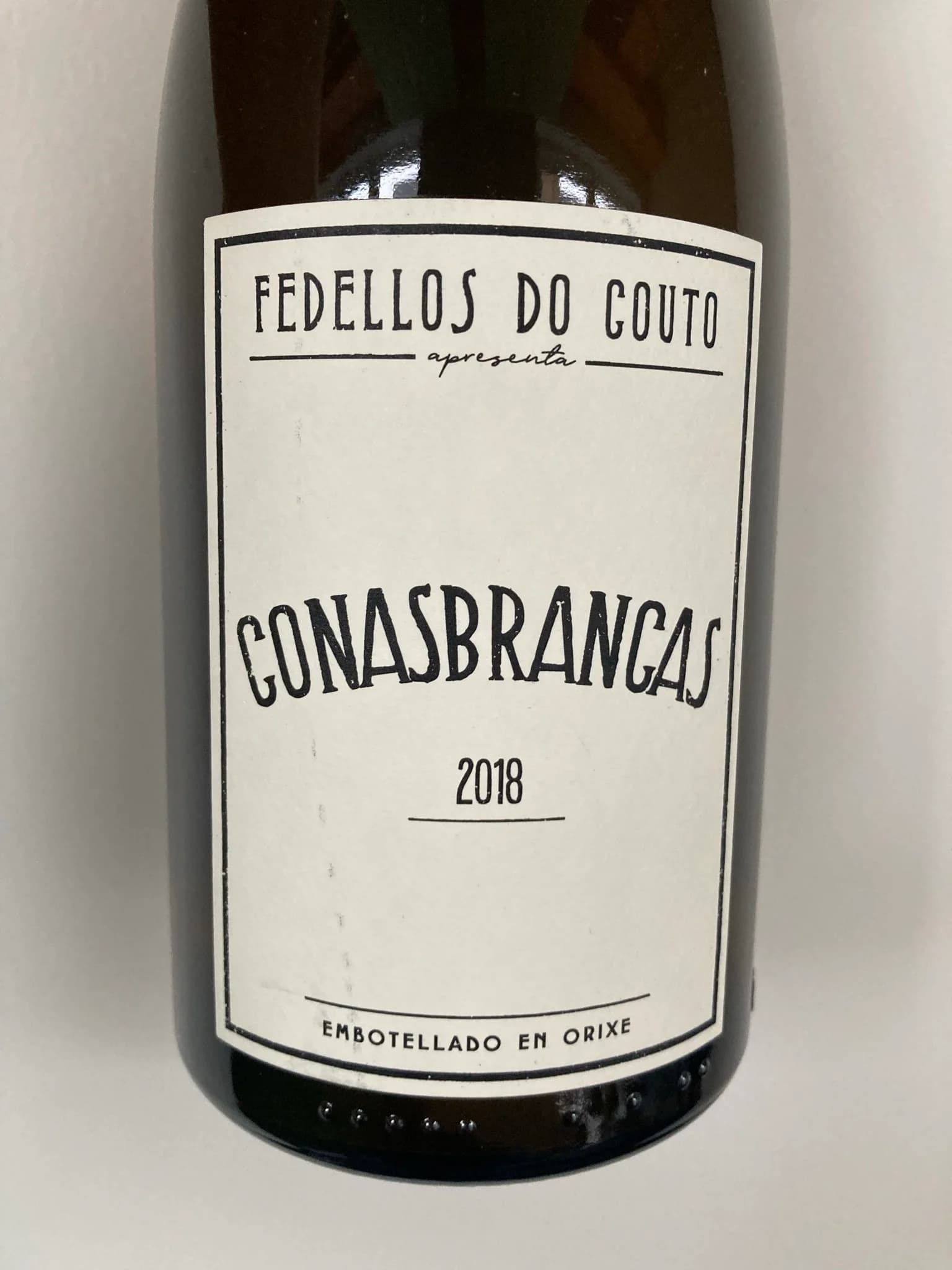
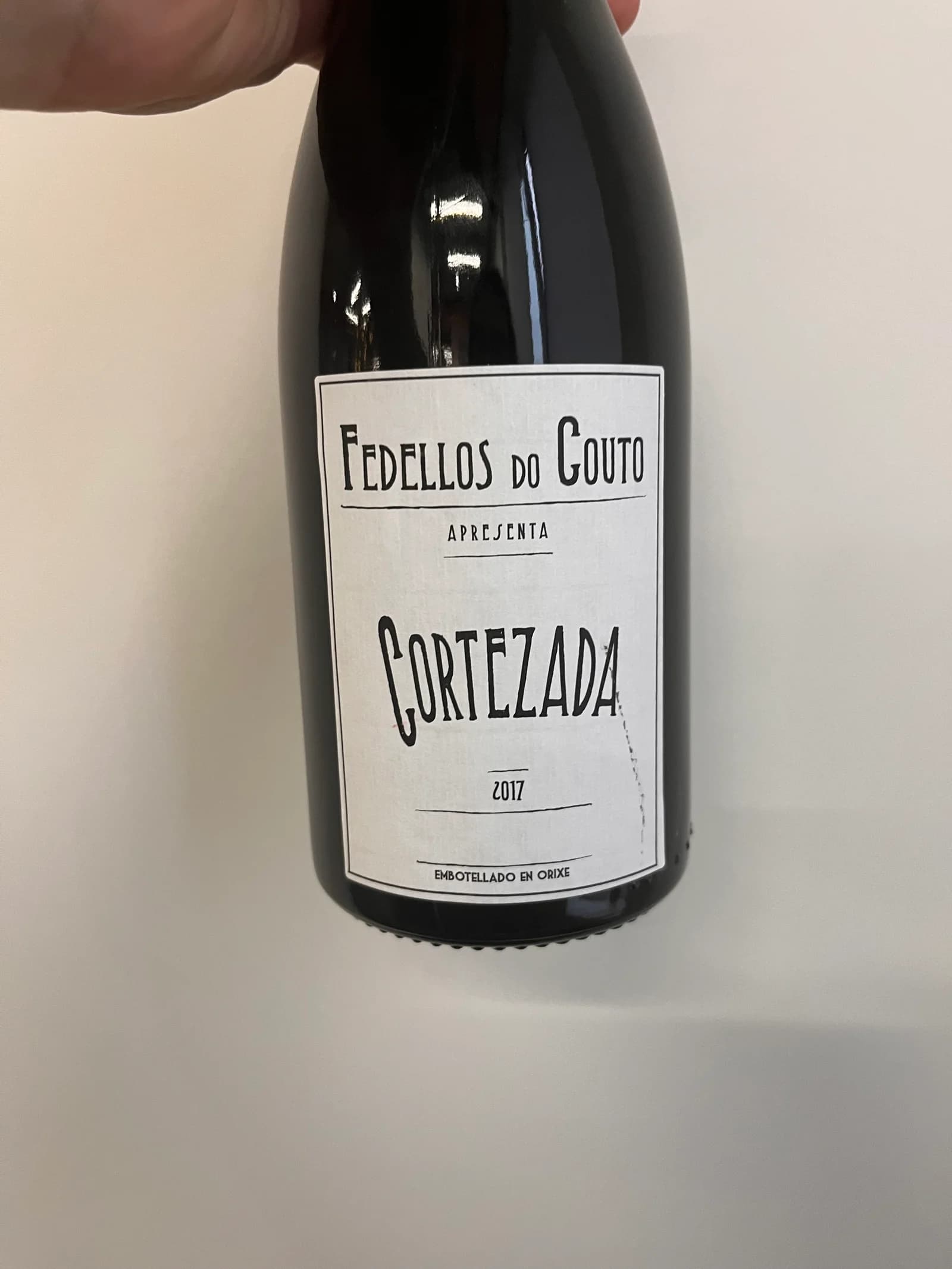
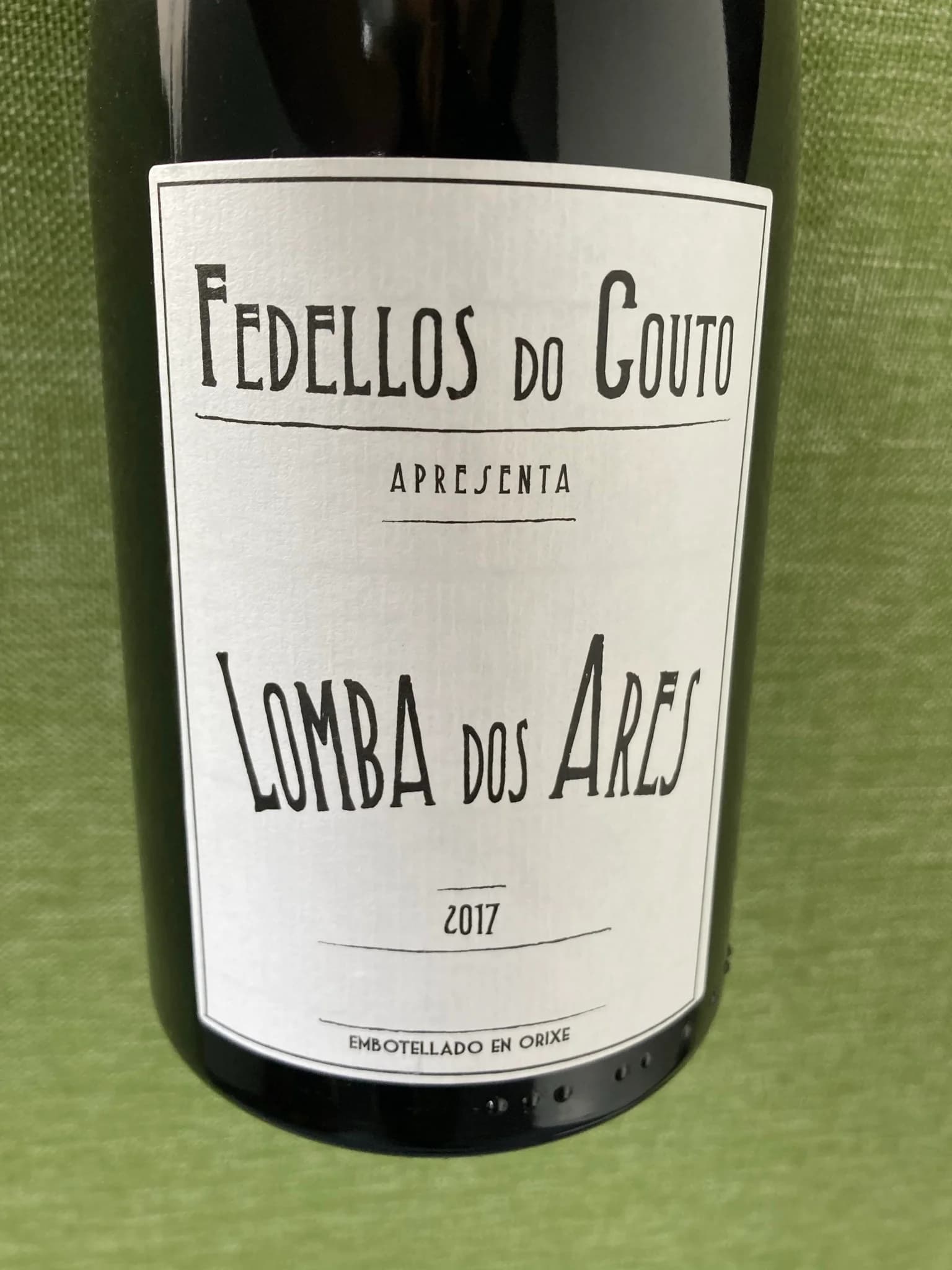
The cuvées: Bastarda (the red Merenzao bottling, not a white as some sources insist), Conasbrancas (white blend), Cortezada, Lomba dos Ares, As Xaras, Testorio, Eixe, and rotating single-parcel field blends that change year to year. Small production, natural methods, distributed narrowly.
Fedellos sits in the same conversation as Guímaro, Dominio do Bibei, Envínate, and Raúl Pérez - the Ribeira Sacra renaissance cluster. The Gredos-to-Galicia arc that Barreño and Olivares traced - via Ronsel, Fedellos, Ca' di Mat, Peixes - is a notable migration pattern in modern Spanish wine.