Region
Moldova › Valul lui Traian
Type
white · still
Grapes
Floricica
Alcohol
13.5%
Volume
750 mL
Tasting Notes(1)
3.7
The full note is for members.
Join to read it and the restAbout
⚠️ Much of the narrative presented here is derived from insights shared by Dmitry Grachov, based on his conversations with Andrei Novak.
In 1968, a grape variety was conceived through the crossing of Riesling from the Rhine and Villard Blanc from France. Although frost-hardy and early-ripening, this particular variety found limited terrain in France, spanning only 150 hectares. Interestingly, its growth flourished in regions like England and Canada. By 2006, it was officially recognized in the Moldovan wine registry.
The Riesling parentage endows the variety with pronounced sugar accumulation and a captivating aromatic profile. In contrast, Villard contributes to its resilience against stress. While the variety once witnessed a decline - even facing hybrid prohibitions that limited its footprint to the aforementioned 150 hectares in France - it's witnessing a resurgence in interest.
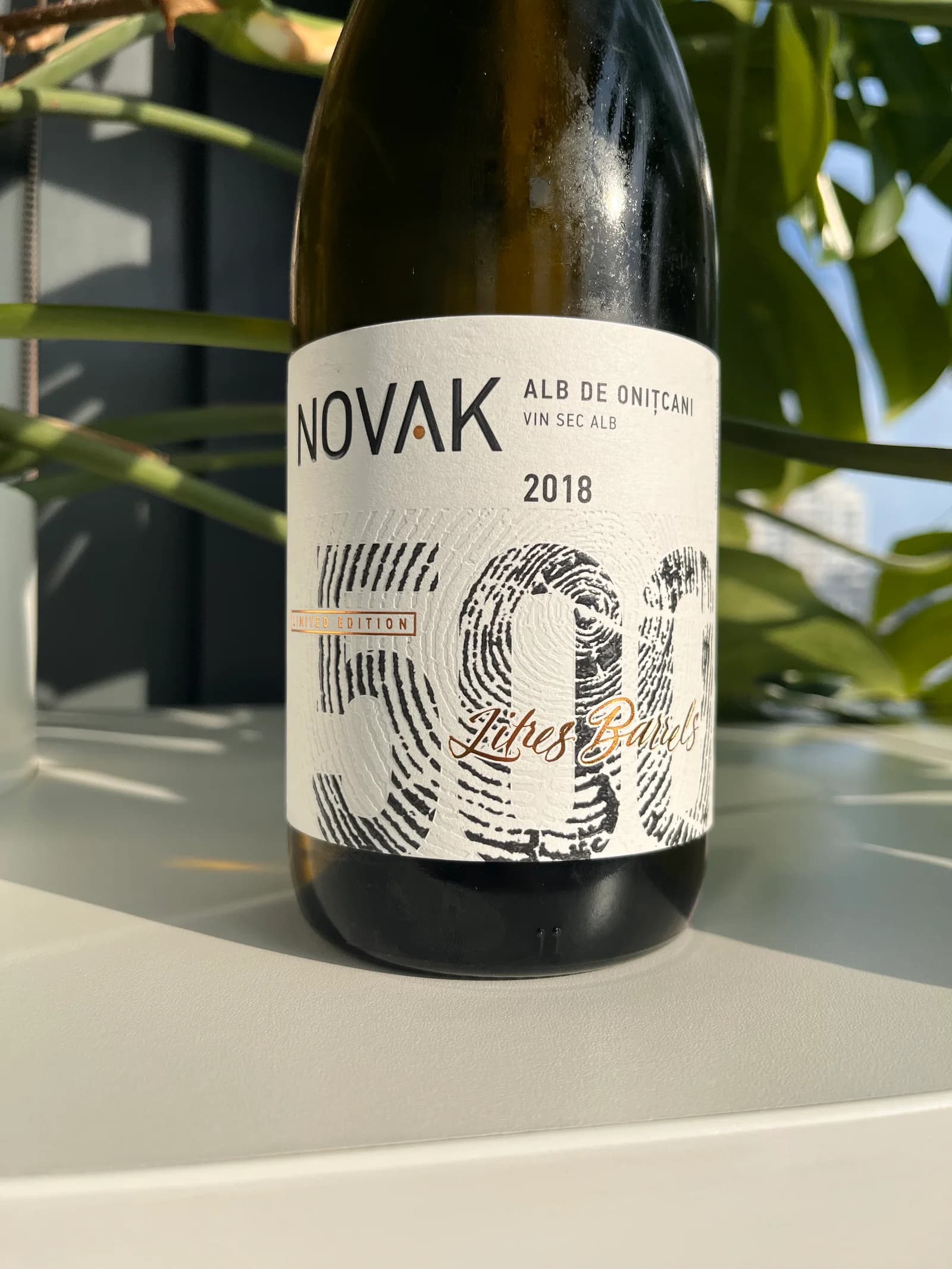
The Novak vineyard, situated in the sun-soaked Valul lui Traian zone known for its rich chernozem soil and an annual temperature sum of 35°C, has embraced this variety. Spanning 1.6 hectares, the vines were planted in 2018/2019. This accounts for a significant portion, as only 15-20 hectares exist in Moldova in total. By 2023, Novak intends to plant an additional 5 hectares.
To preserve optimal sugar levels, the grape harvesting process is meticulously carried out in three stages. This approach extends to all the white grapes harvested at this vineyard.
The winemaking process itself is both traditional and rigorous: grapes are harvested, sulfited, and the must is left in contact with the grape skins for 5 hours at a temperature of 14-15°C. Bentonite is used to clarify the must, followed by fermentation at 18-20°C over a period of 7-9 days. The wine is then treated with cold to prevent any malolactic fermentation, which is particularly crucial for the Villard trait that tends to cloud the wine.
Releases of White Label Floricica
2 releases| Release | Score | QPR | Price |
|---|---|---|---|
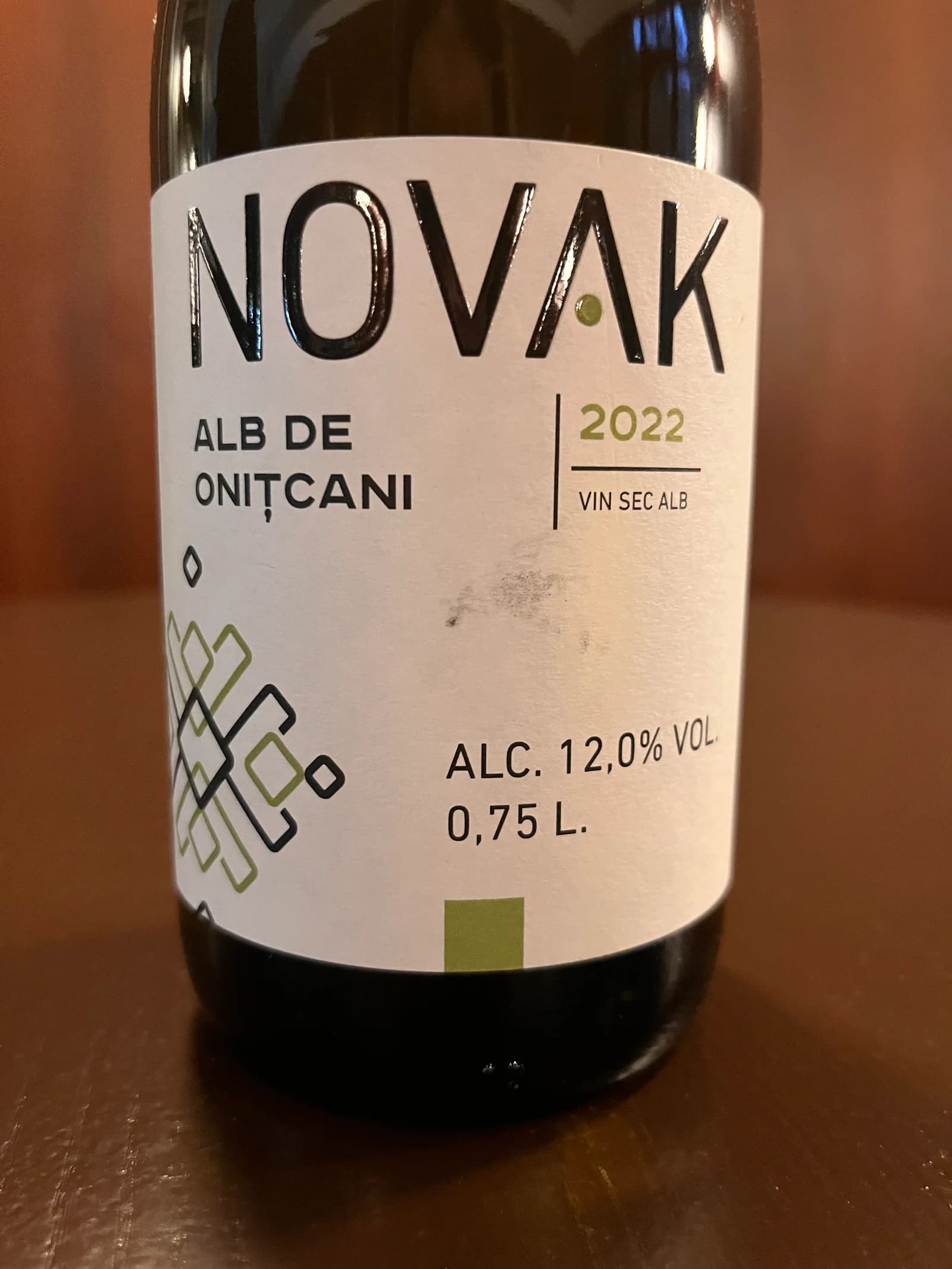
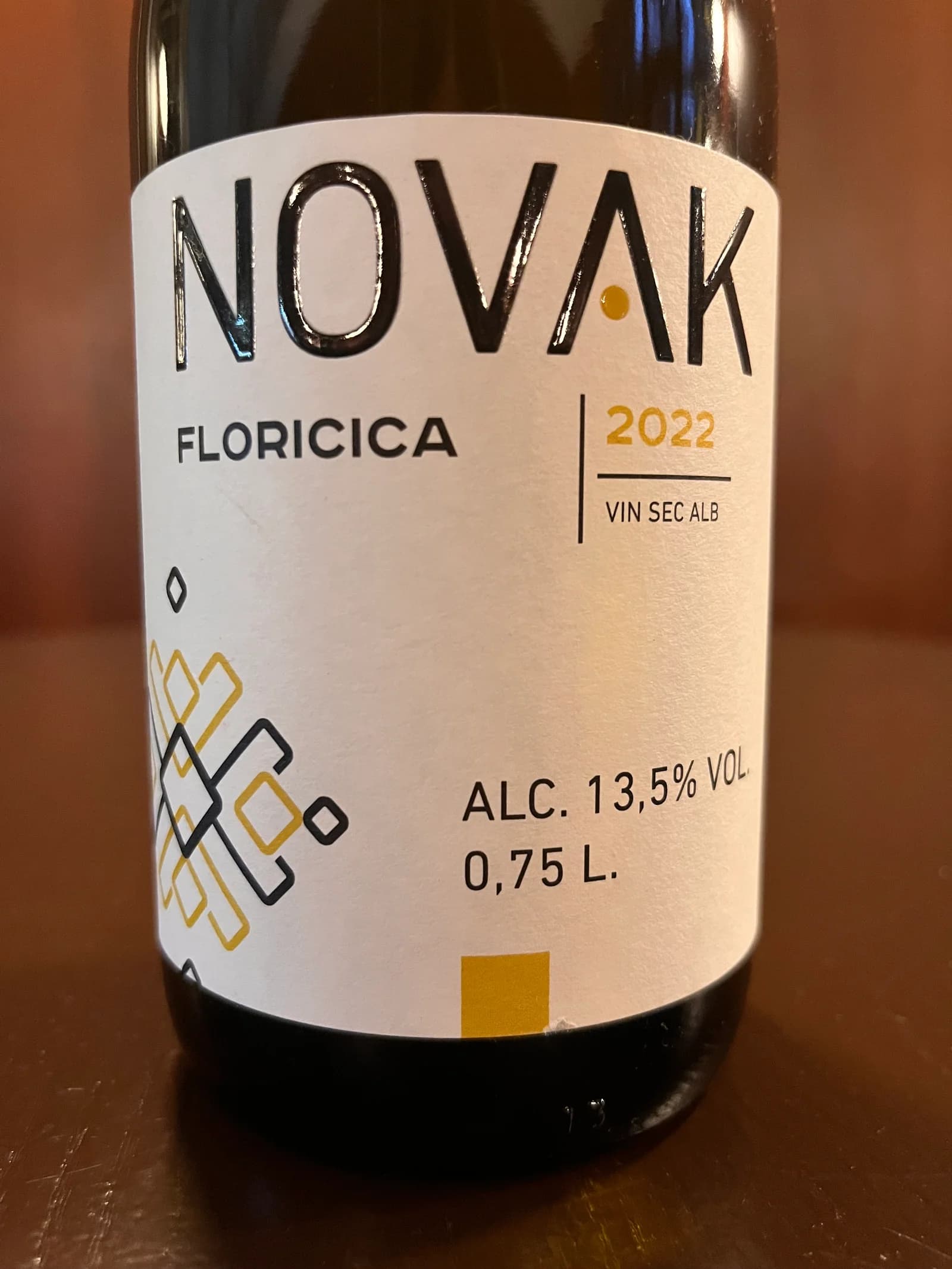 2022this page 2022this page | 3.7 | 2.82steal | 140 MDL |
 |