Region
Italy › Sicily › Marsala › Marsala DOC
Type
white · still
Grapes
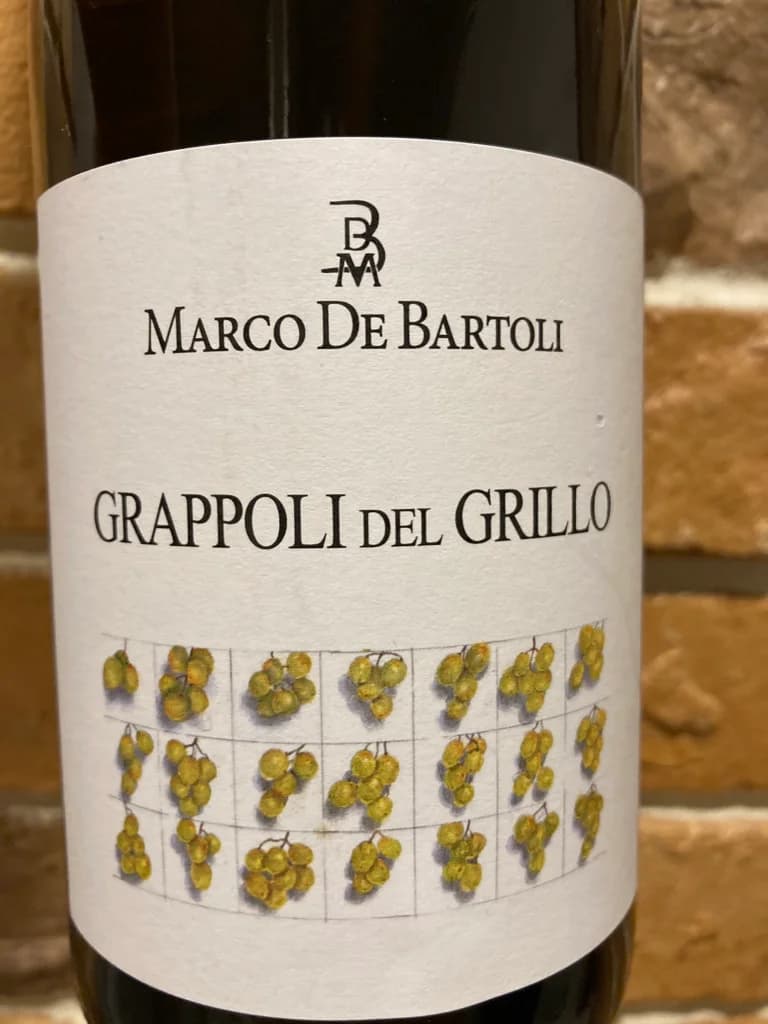
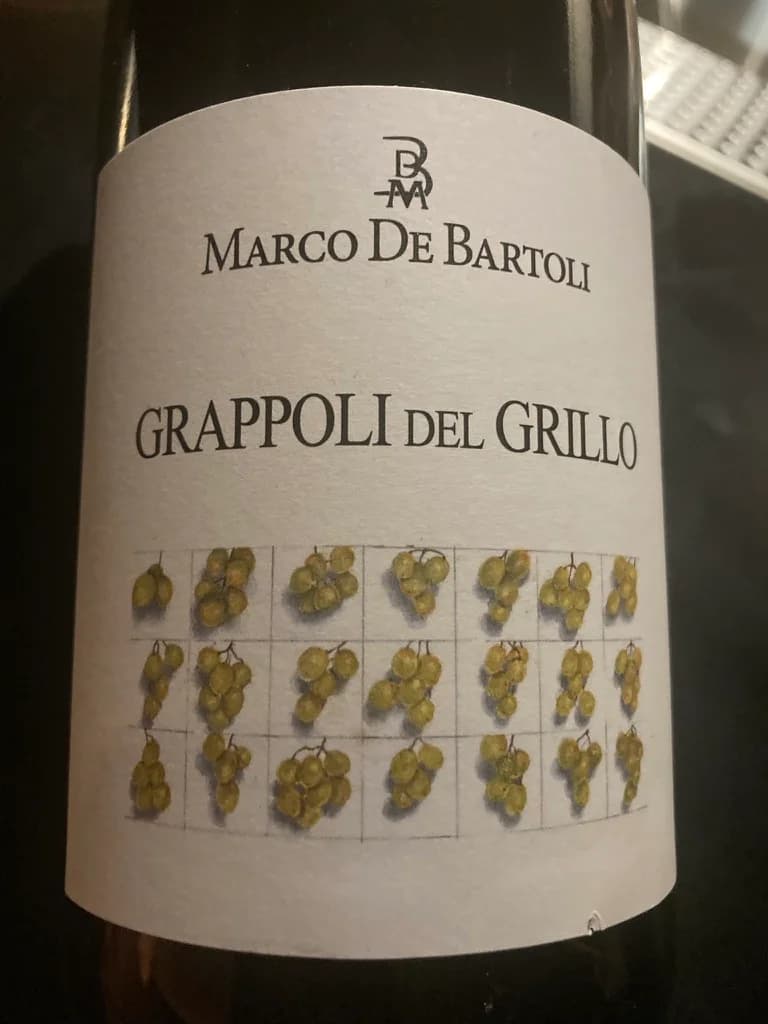
Grillo
Alcohol
19%
Volume
500 mL
Sugar
24.4 g/L
Tasting Notes(2)
4.5
The full note is for members.
Join to read it and the rest4.5
Members only
About
According to the winemaker, the Marsala Vergine ("Virgin") Riserva 1988 is undoubtedly the most controversial reserve ever crafted by Marco De Bartoli, embodying the inner contradictions typical of Sicilian culture. In 1988, Marco took on the challenge of this Marsala style, which he often set aside because, in his vision, the only wine deserving of the "virgin" attribute was his Vecchio Samperi, made without any fortification or sweetening. "Marsala Vergine" refers to a specific style of Marsala characterized by the absence of any added sweeteners or caramel, resulting in a dry wine that highlights the natural qualities of the grape and terroir. Today, Marco's children - Renato, Sebastiano, and Giuseppina - have decided to share this unique wine. Traditional and modern at the same time, it is the fruit of Marco's tireless experimentation over the years.
This wine is 100% Grillo, from vines aged between 20 and 40 years, grown in the Samperi district of Marsala, Western Sicily. The vines are cultivated using the single Guyot system, with a planting density of 3,500 plants per hectare on limestone, sandy loam soil. The grapes were harvested manually at the end of September, with clusters placed in small cases to ensure they remained intact.
The winemaking process involved manual grape selection, soft pressing, natural decantation, and traditional fermentation in oak and chestnut vats at room temperature. A portion of the must was fortified in 1988 with acquavite (brandy) made from the same grapes. The wine was then aged for over 30 years in chestnut and oak vats of different sizes before being bottled in January 2019. Only 1,500 bottles were produced, making this a truly rare vintage.