All producers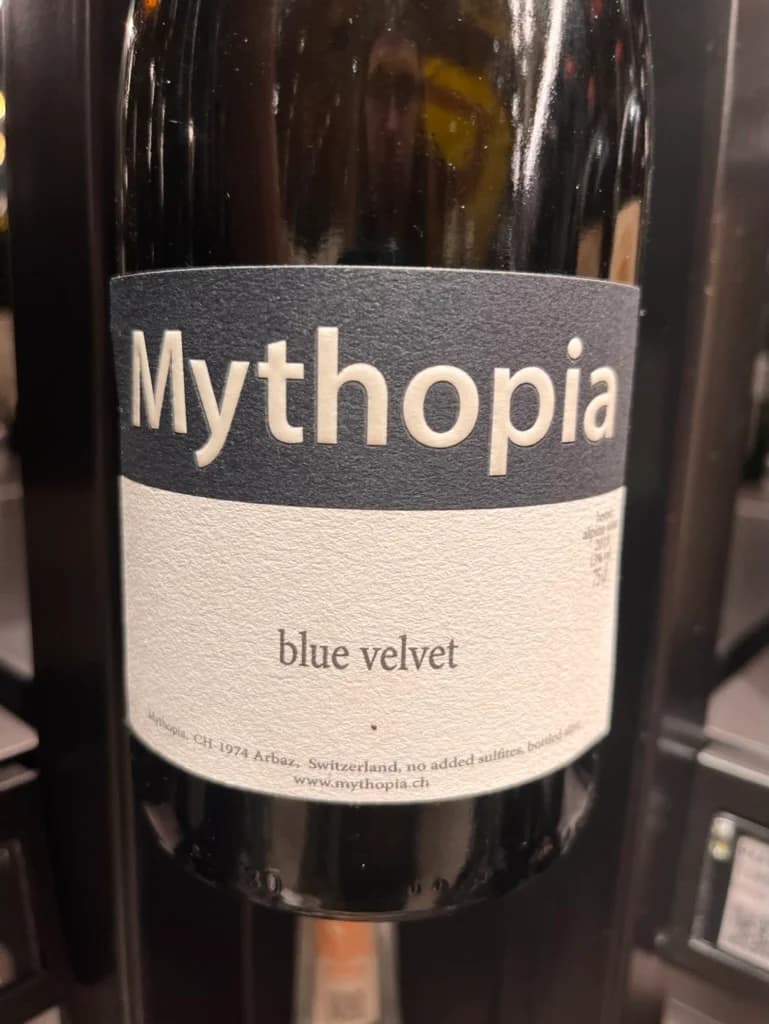
Mythopia
Switzerland16 wines4.0 avg
97
Hans-Peter Schmidt's Alpine biodiversity experiment in Valais - 3.5 hectares at 800-900 metres, zero sulphur, Pinot Noir and Chasselas, with cuvée names borrowed from cinema.
Mythopia is something unusual even by natural-wine standards: part winery, part ecological research project. Founded in 2004 by Hans-Peter Schmidt and Romaine Schmidt in Arbaz, above Sion in the Valais. Three and a half hectares across three parcels at 750-900 metres on steep Alpine slopes, the original site named Clos des Martyres - so called because only a martyr would work the slope. Calcareous schist soils. When the Schmidts arrived the vineyards had been farmed conventionally for some thirty-five years; converting them to natural methods cost roughly ten percent of the older vines but rebuilt the soil and the surrounding biology from scratch.
Hans-Peter founded the Ithaka Institute for Carbon Strategies in 2007 and ran the first European biochar field trial that same year, at Mythopia. Biochar proved ineffective applied directly to the deep-rooted vines, but it transformed the fruit trees, vegetable gardens, and inter-row vegetation that anchor the rest of the system. Rows of vines were thinned out and replanted between with alternative flora; the site now hosts more than 180 plant species, beehives, stone piles for lizards, fruit trees, vegetable gardens, and around 68 butterfly species. Practices include green manure cover crops, fermented vine-leaf liquid mixed with raw milk as foliar treatment in place of fungicides, and subsurface drip irrigation fed by glacier water.
The vines are Pinot Noir, Fendant/Chasselas, Sylvaner, the ancient Valais variety Rèze, a touch of Muscat, and recent Solaris plantings; PI-NO comes from a forty-five-year-old block on the highest parcel. Average vine age across the estate sits near fifty years. Production is small - around seven thousand bottles a year. Bio Suisse certified; cuvées carry the Valais AOC designation. In the cellar: indigenous yeast, whole-bunch fermentation in airtight steel for anywhere from three to nine months depending on cuvée, then multi-year aging in used 222L or 400L oak, often with no topping up on the long-elevage reds. No SO2, no fining, no filtration.
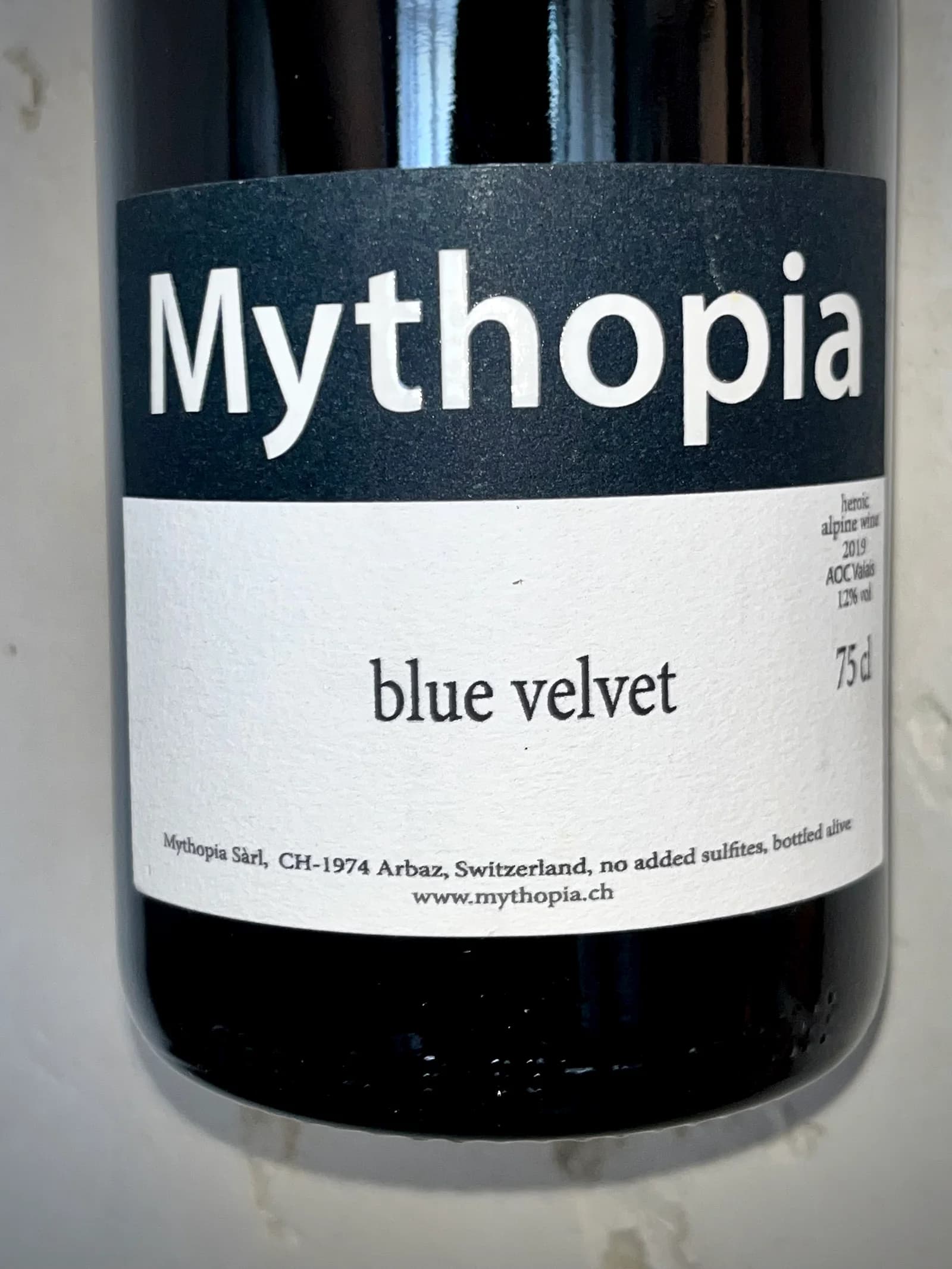
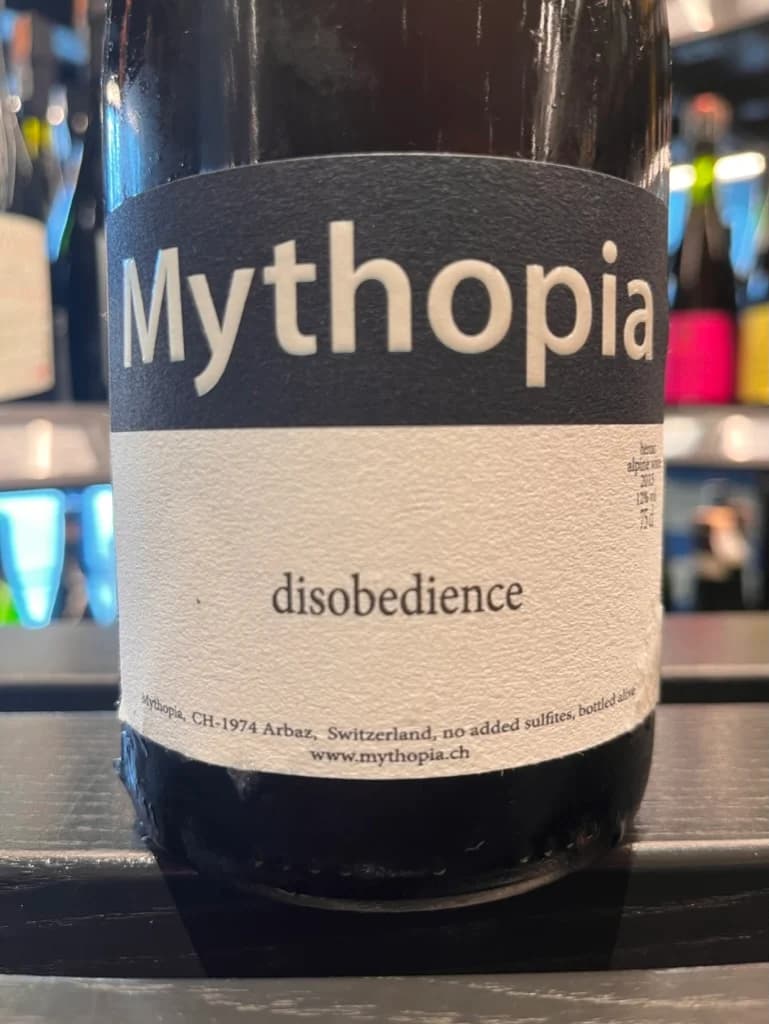
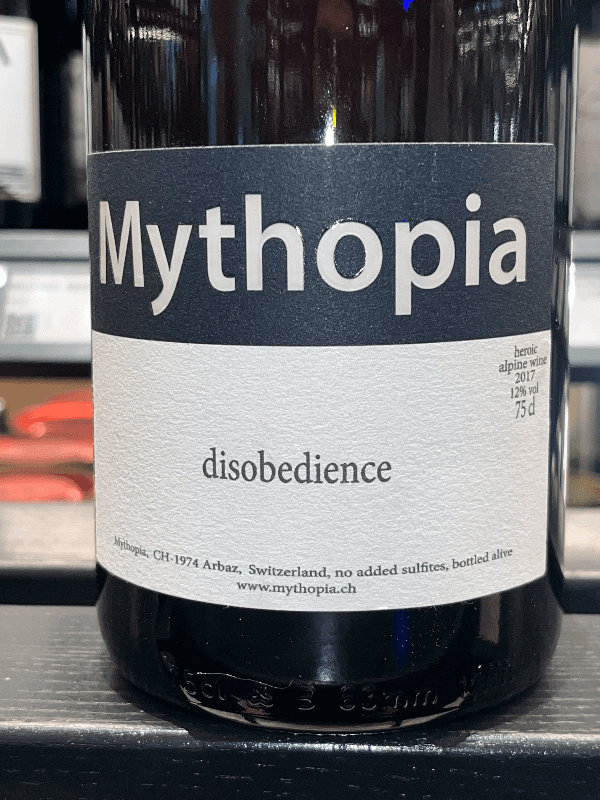
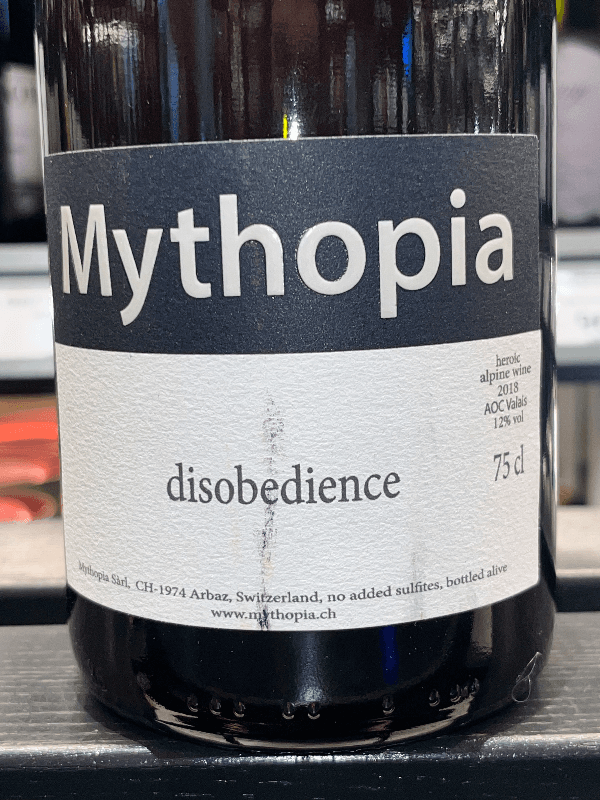
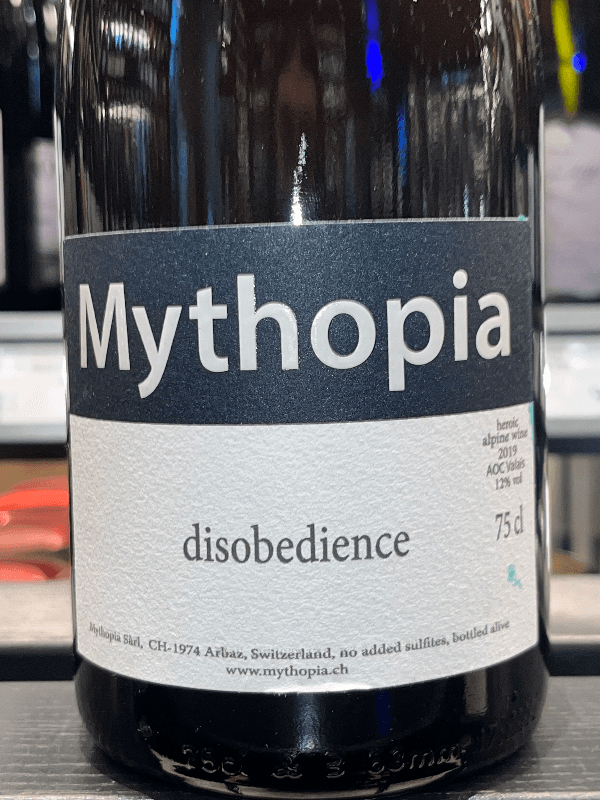
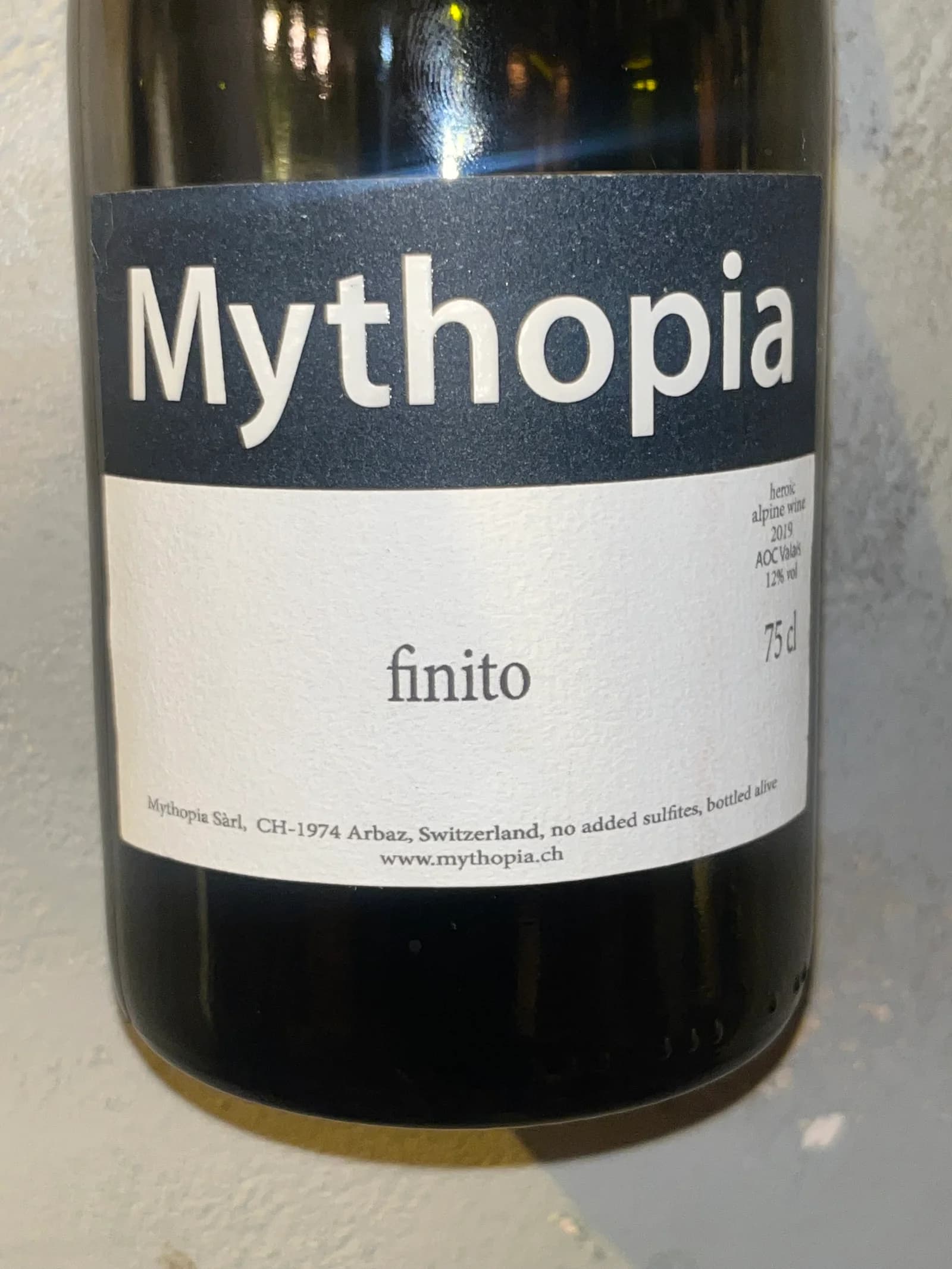
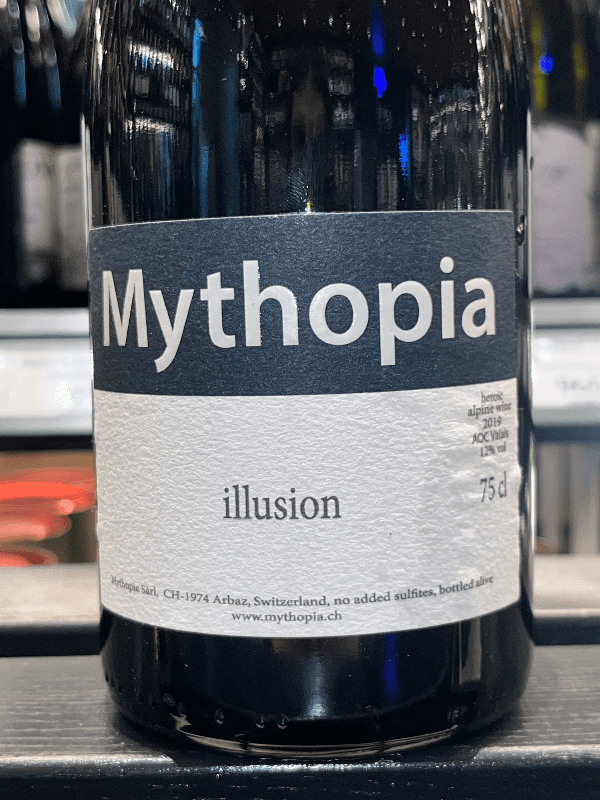
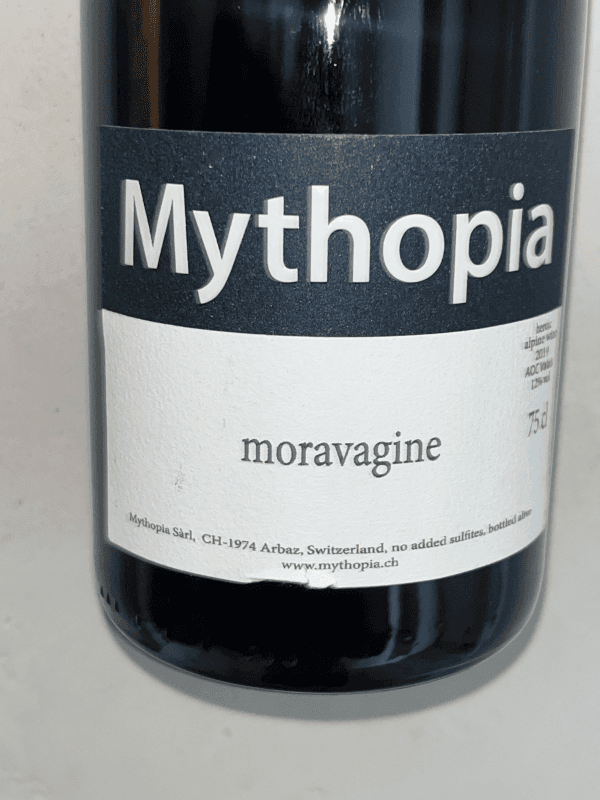
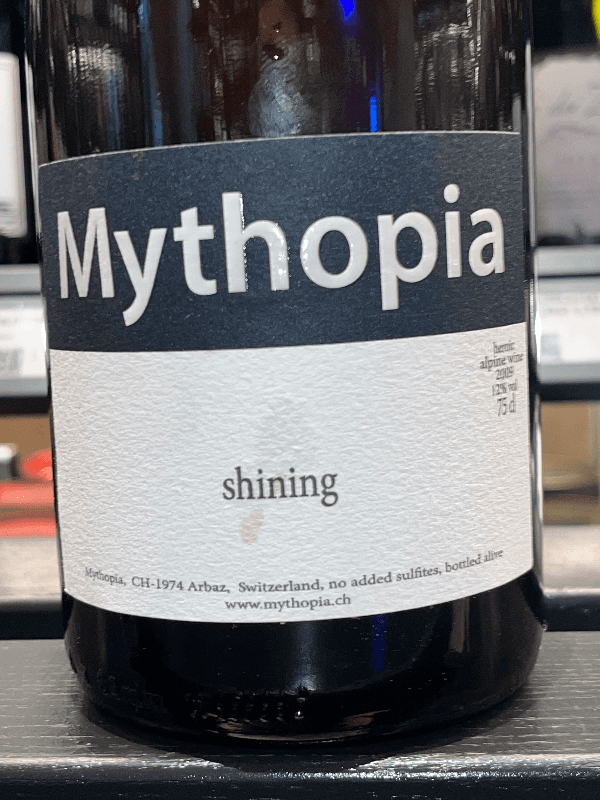
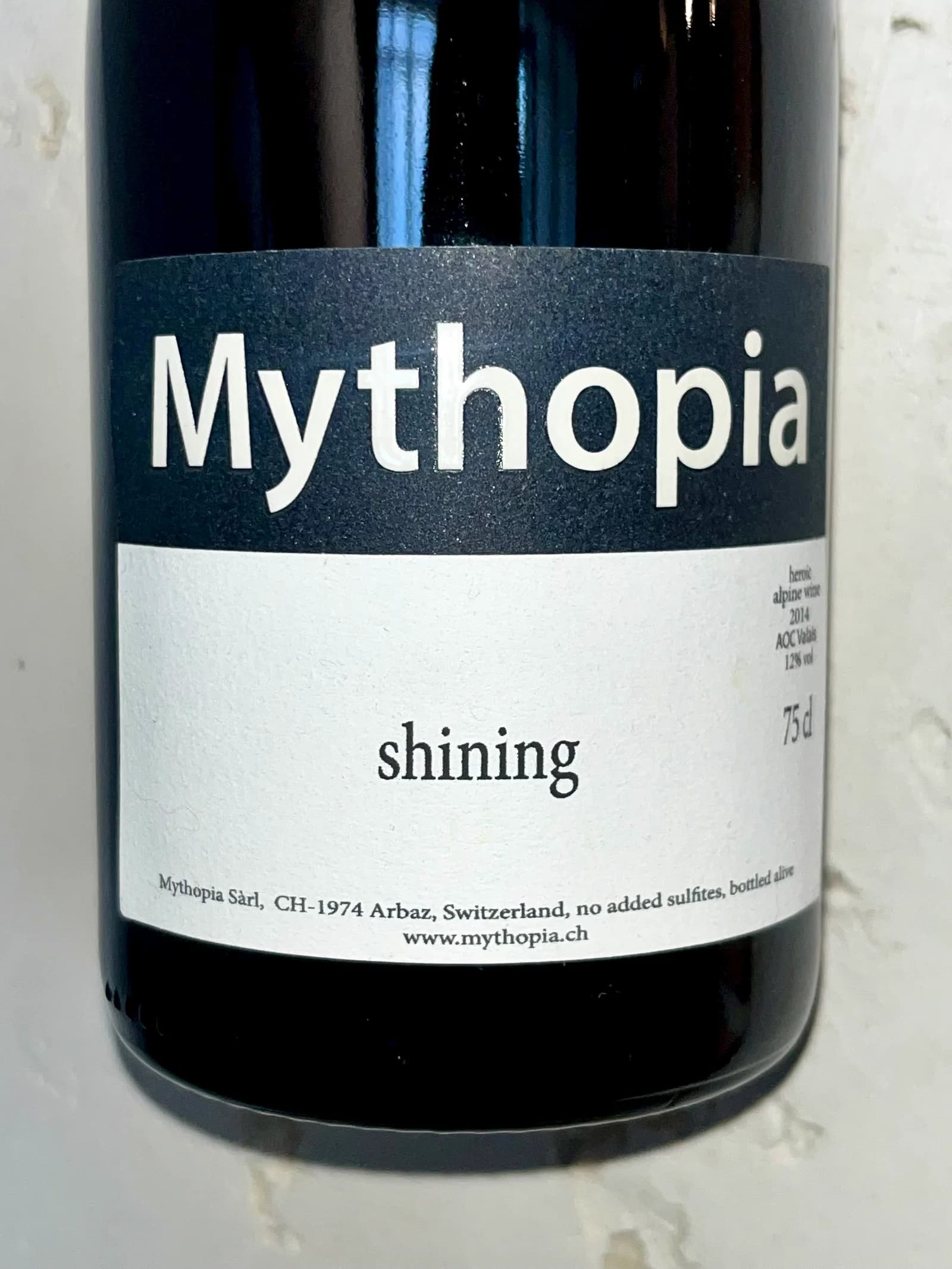
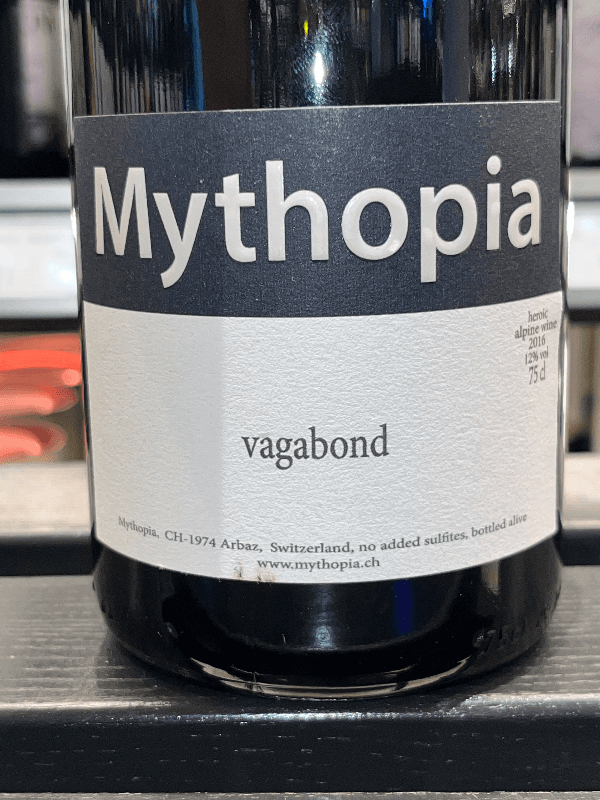
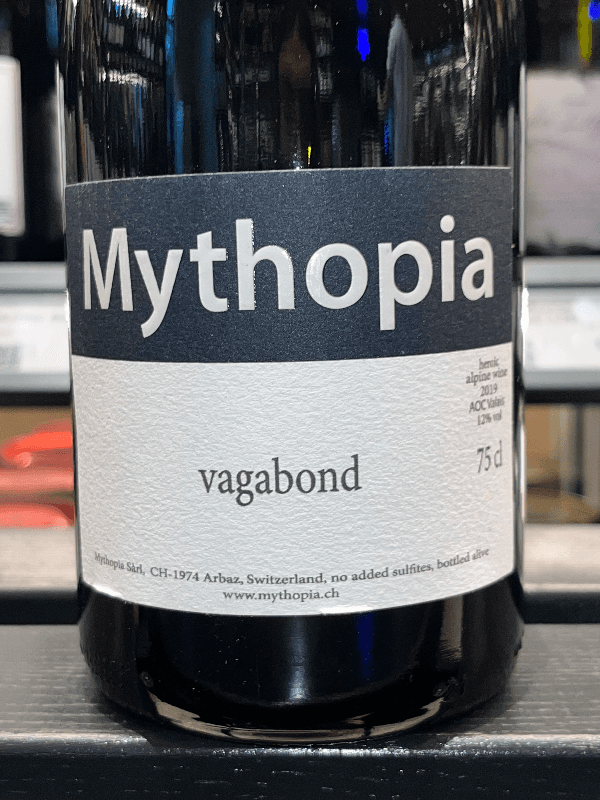
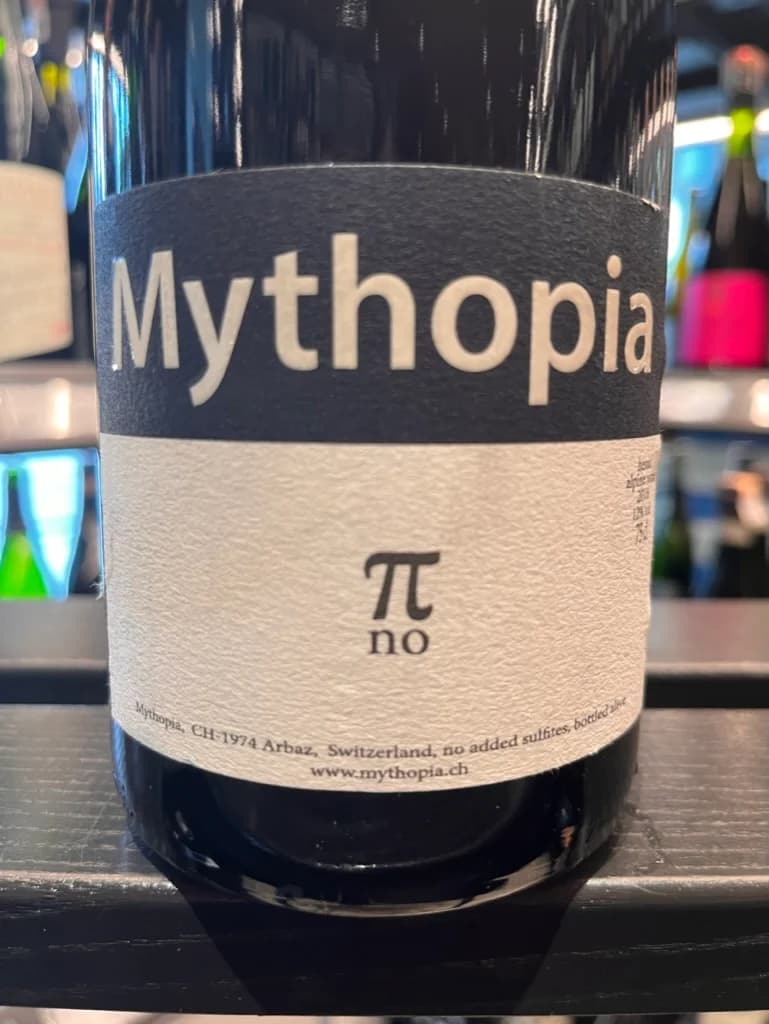
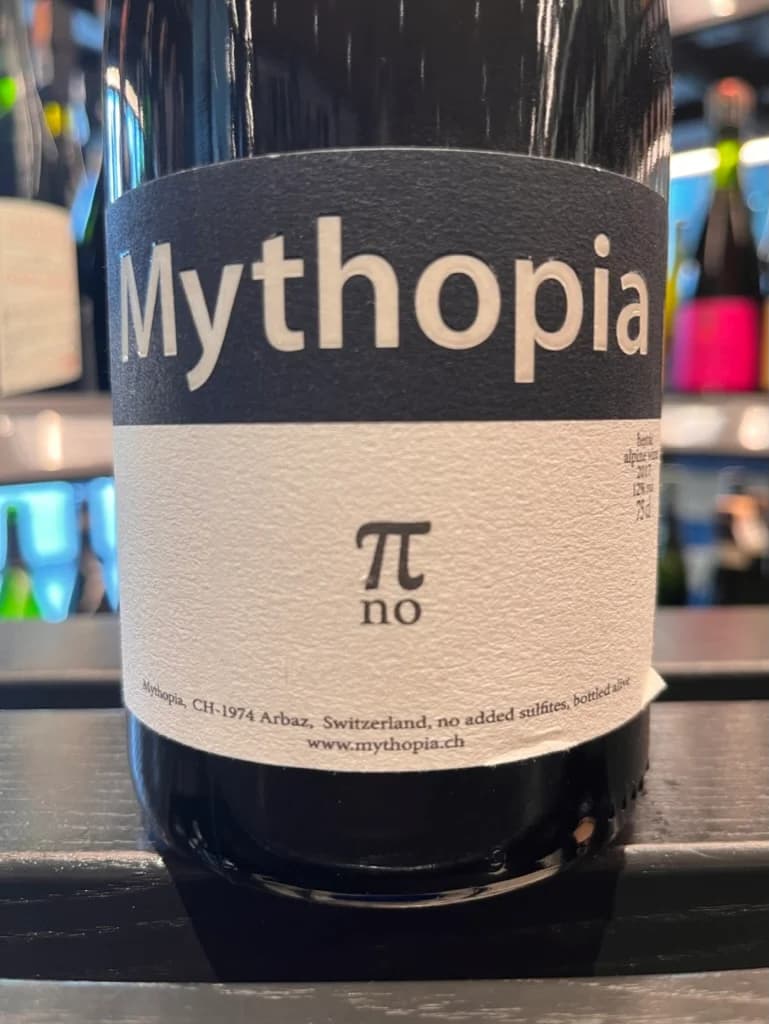
Cuvée names borrow from films and literature: Illusion (Pinot Noir), PI-NO (Pinot Noir from forty-five-year-old vines), Shining (Kubrick - three-month maceration, near-decade oak rest), Disobedience (Thoreau - Chasselas, renamed from "Sélection" in 2009), Vagabond (likely Varda - long elevage in 222L oak), Blue Velvet (likely Lynch), Jadis (Fendant/Rèze), Moravagine (Cendrars), Finito (Sylvaner, made from the last harvest day each year).
Hans-Peter has parallel projects in Occitania - six hectares near the Étang de Bages on the French Mediterranean, planted to Grenache, Mourvèdre, Carignan, Syrah, and Marselan - and in Andalusia at Mijas, between Málaga and Marbella, where part of the ageing happens in clay amphorae, in partnership with German entrepreneur Rudolf Ballauf. Alpine altitude, zero-zero winemaking, and the soil-recovery story as a living backdrop. Ecological experiment that happens to produce drinkable results.
Wines
4.2
blue velvet
2018· Switzerland
4.2
blue velvet
2019· Switzerland
3.8
disobedience
2015· Switzerland
3.9
disobedience
2017· Switzerland
4.0
disobedience
2018· Switzerland
4.1
disobedience
2019· Switzerland
4.2
finito
2019· Switzerland
4.1
illusion
2019· Switzerland
4.0
moravagine
2019· Switzerland
4.4
shining
2009· Switzerland
shining
2014· Switzerland
4.3
vagabond
2016· Switzerland
4.1
vagabond
2019· Switzerland
4.2
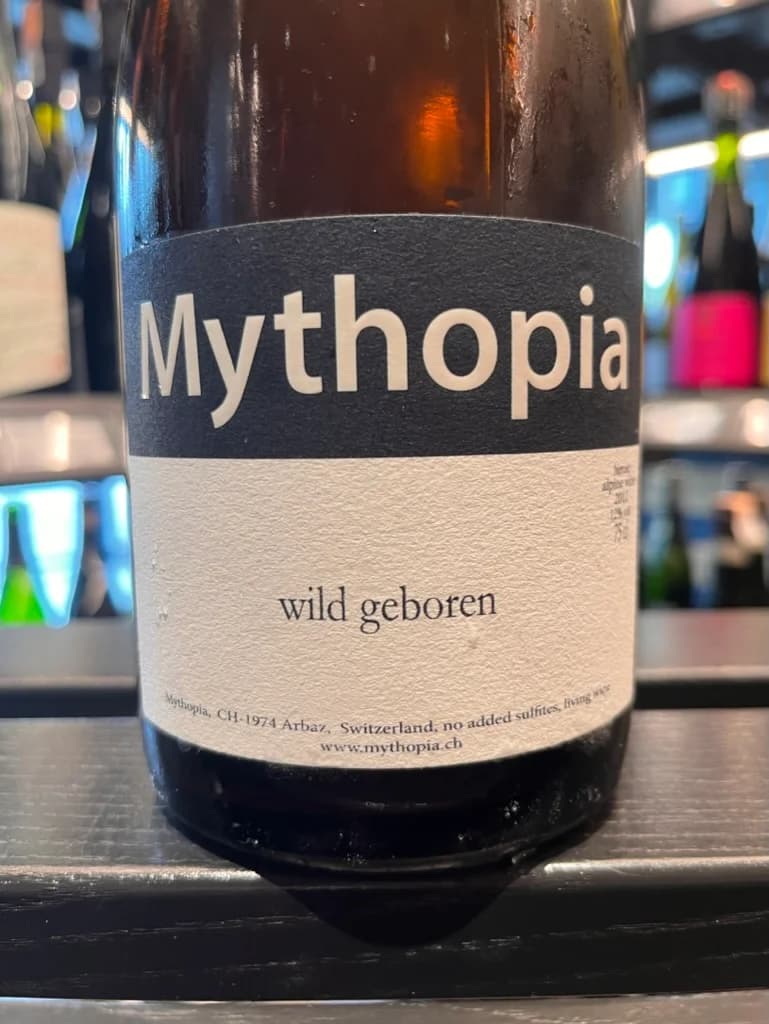
wild geboren
2012· Switzerland
4.0
π-no
2016· Switzerland
2.0
π-no
2017· Switzerland