All producers
Aphros
Vinho Verde, Portugal9 wines3.8 avg
432
Vasco Croft's biodynamic Vinho Verde estate in the Lima Valley - the architect-Buddhist who returned to a 17th-century family property and made Loureiro serious.
Vasco Croft is the mind behind Aphros. As a teenager, he dreamed of becoming an astrologer, but ended up studying architecture in England. That path shifted again when he discovered Rudolf Steiner's ideas - leading him to pedagogy and sculpture, eventually finding a rhythm in woodworking and furniture design.
It held his attention for a while. But in his thirties, he shared a bottle of wine with a Buddhist monk - and something clicked. For Vasco, it wasn't just a drink; it was an encounter with Dionysus. That moment rerouted everything.
In 2003, he returned to Casal do Paço, a semi-abandoned family estate dating back to the seventeenth century - a granite manor house with a chapel - in the Lima Valley, near Ponte de Lima, in the Lima sub-region of Vinho Verde. Aphros was born. He expanded from the original six hectares of vineyard by purchasing the nearby Quinta da Casa Nova (~7 ha of vines) and leasing further parcels; the estate now works around fourteen to fifteen hectares of vine across three properties (the wider land holdings include forests, chestnut orchards, and olive groves).
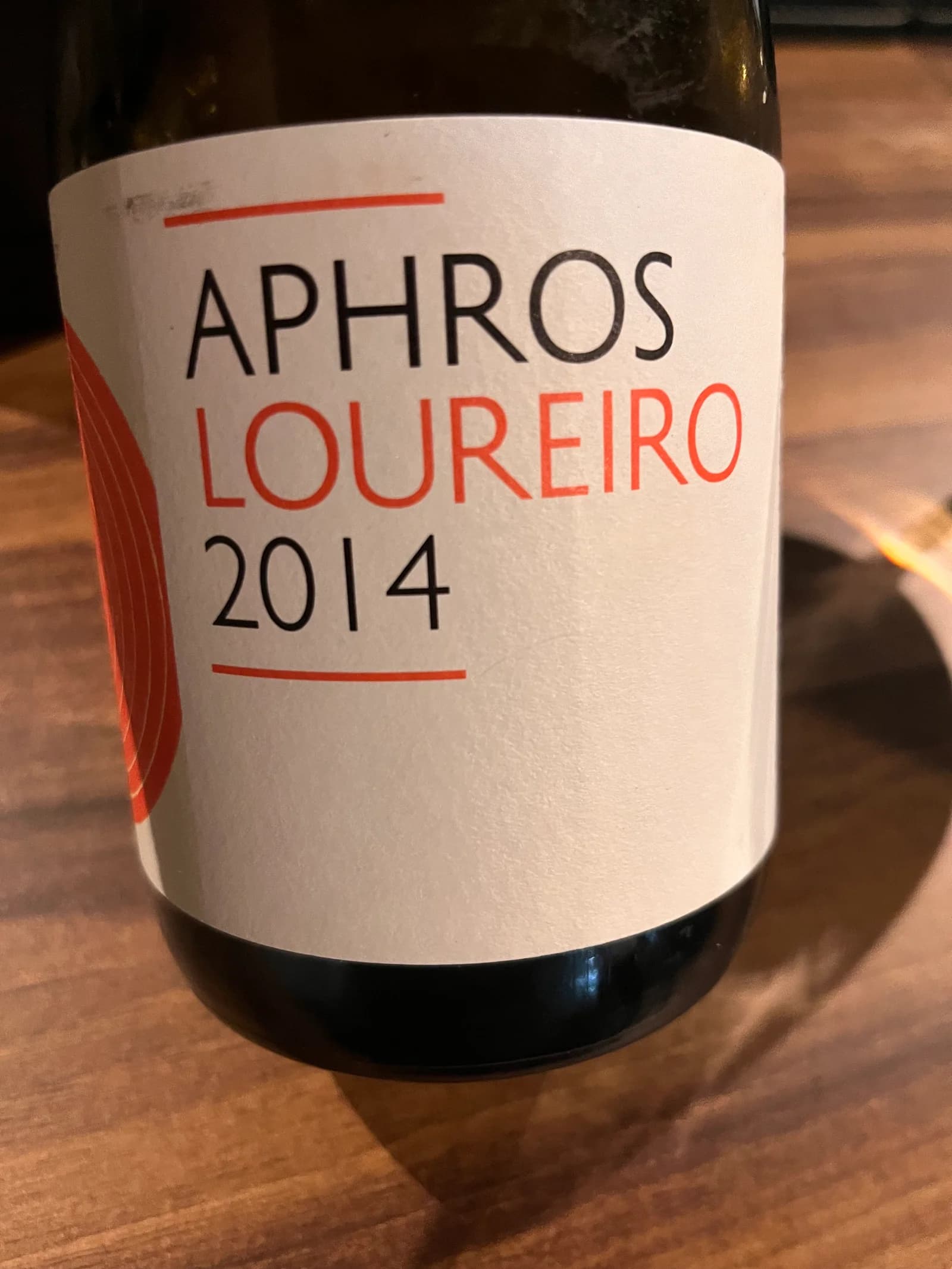
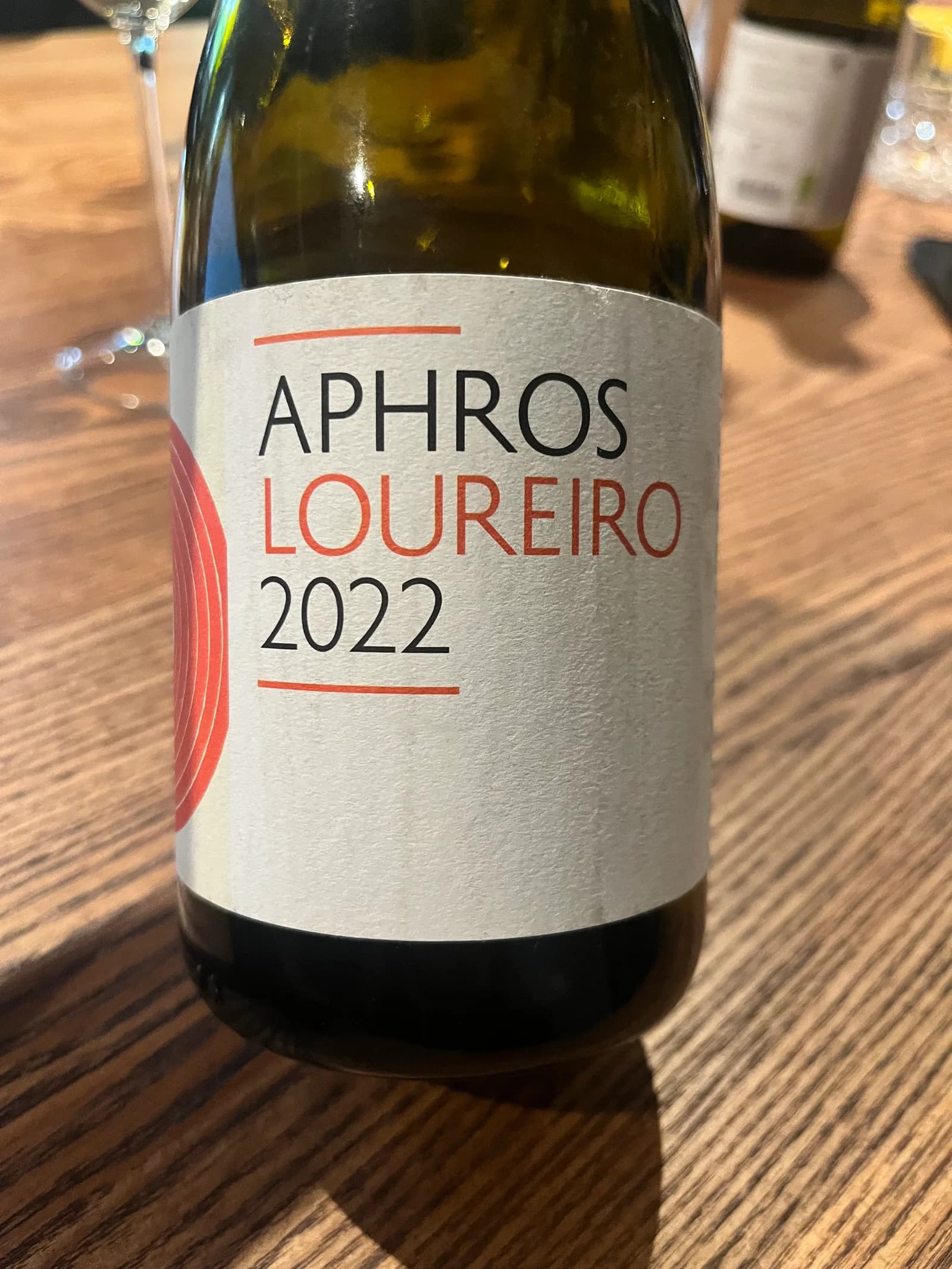
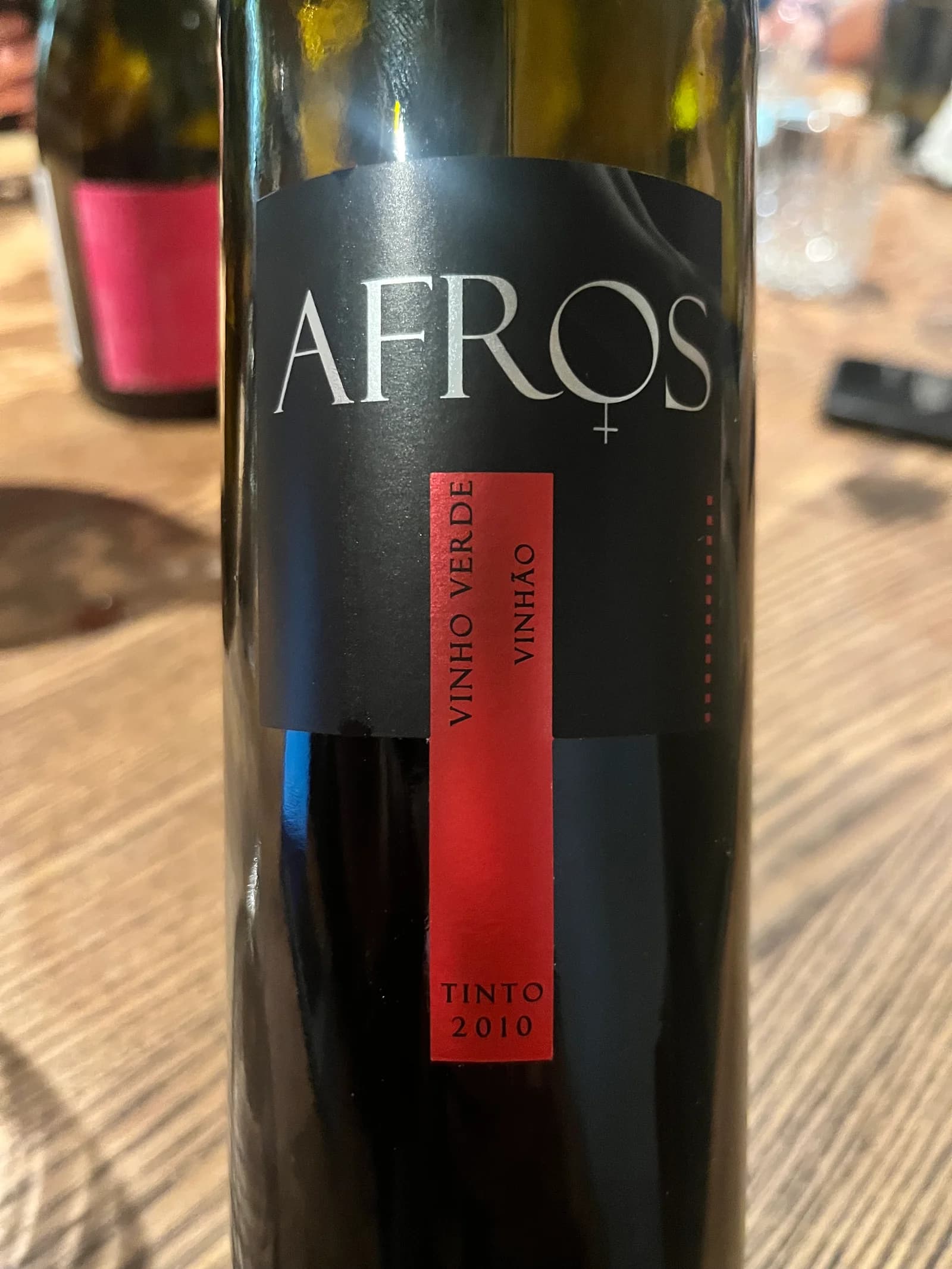
The grapes are Vinho Verde's: Loureiro (the flagship white and the variety Aphros has done more than almost anyone to take seriously) and Vinhão (the traditional red grape of the region, vinified with foot-treading in ancient granite tanks). More recently, amphora-aged bottlings and pétillant naturel have extended the range.
Demeter-certified biodynamic since 2011. The estate is a self-sustained agricultural system with cover crops, animals, forests, chestnut orchards, and wildlife. Vasco develops his own plant extracts to manage humidity while minimising copper. Indigenous yeasts only. Cellar operations follow the astronomical calendar. Minimal sulphur (maximum twenty-five parts per million free at bottling). Unfiltered or soft-filtered.
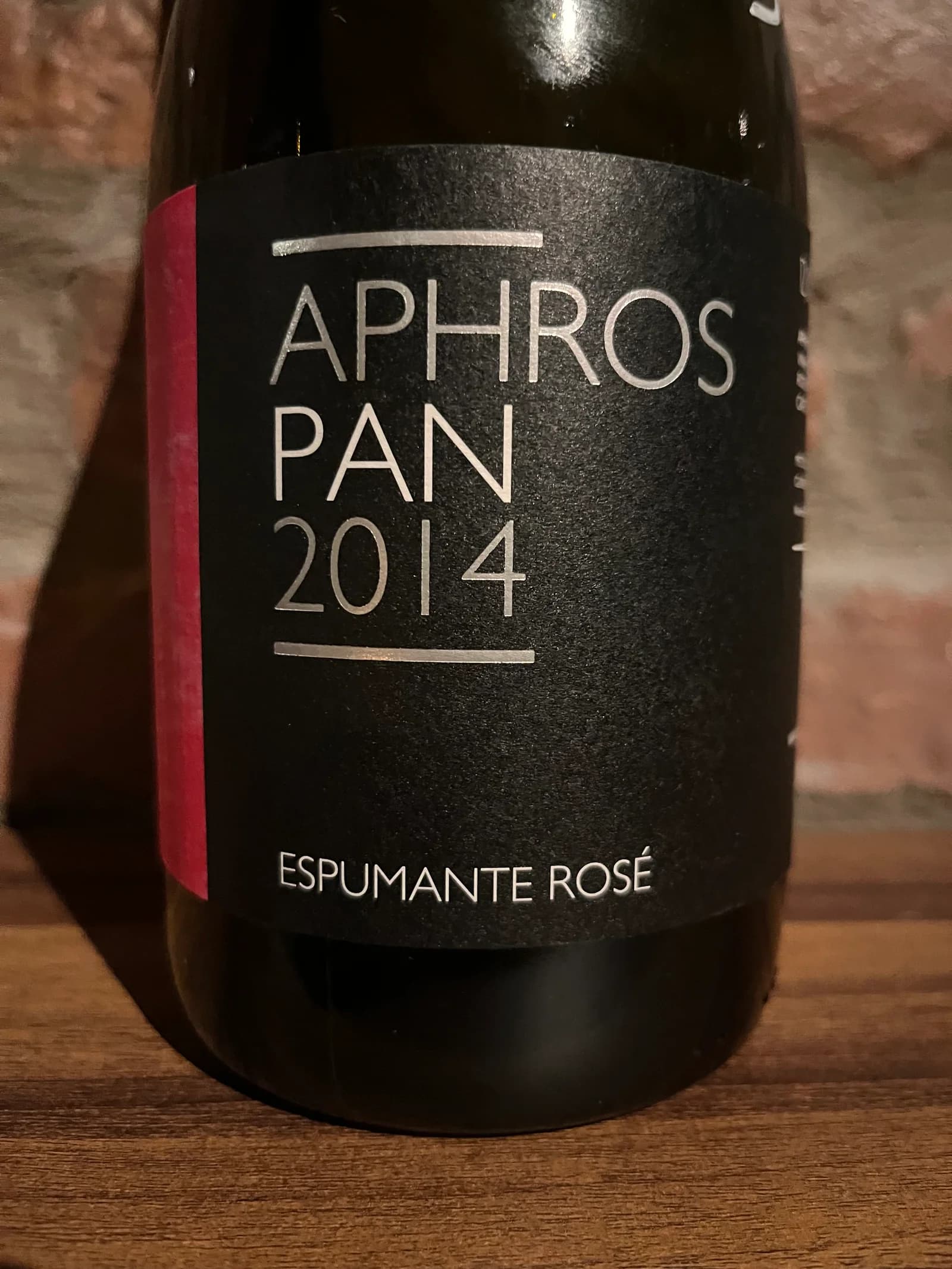
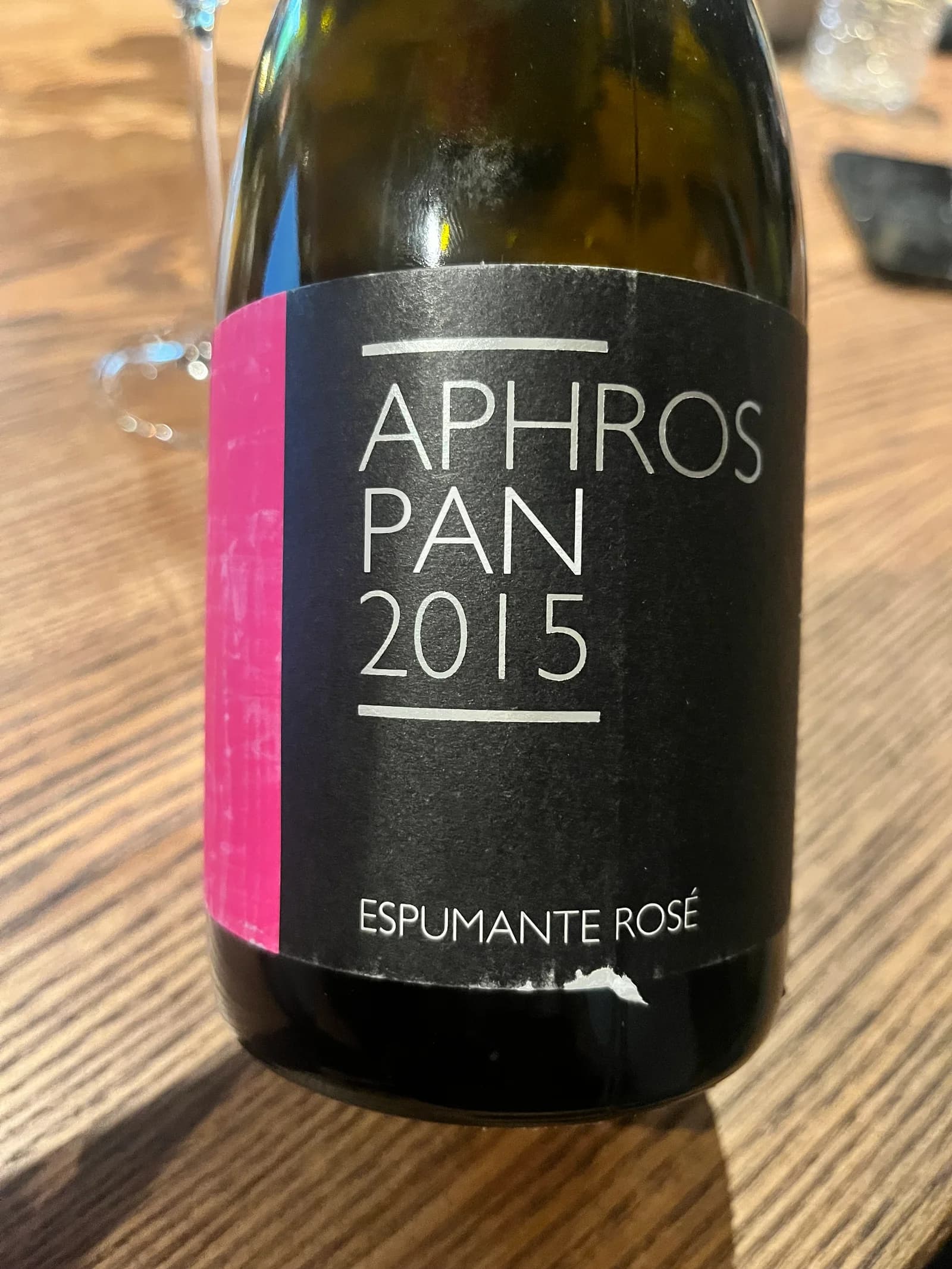
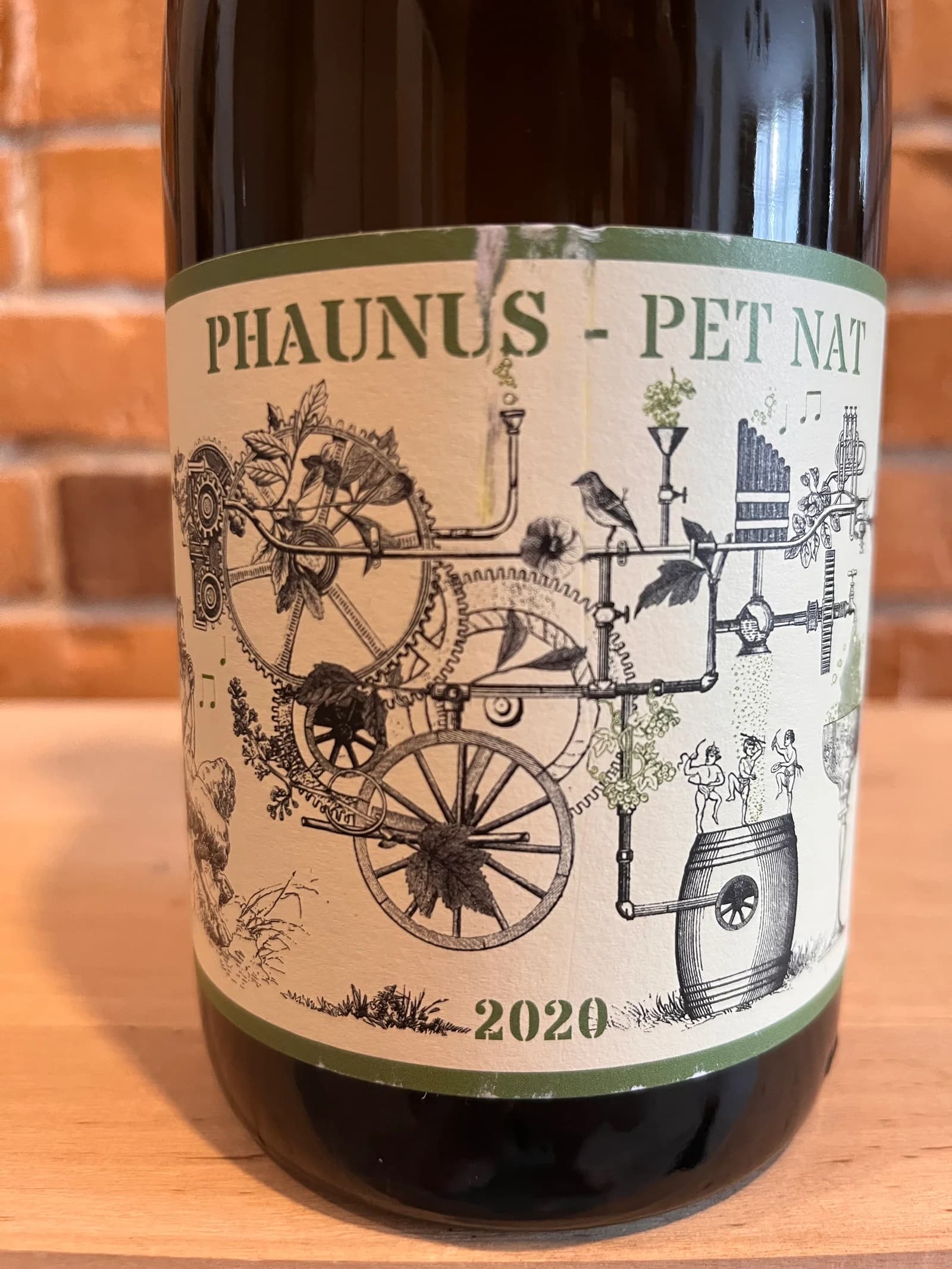
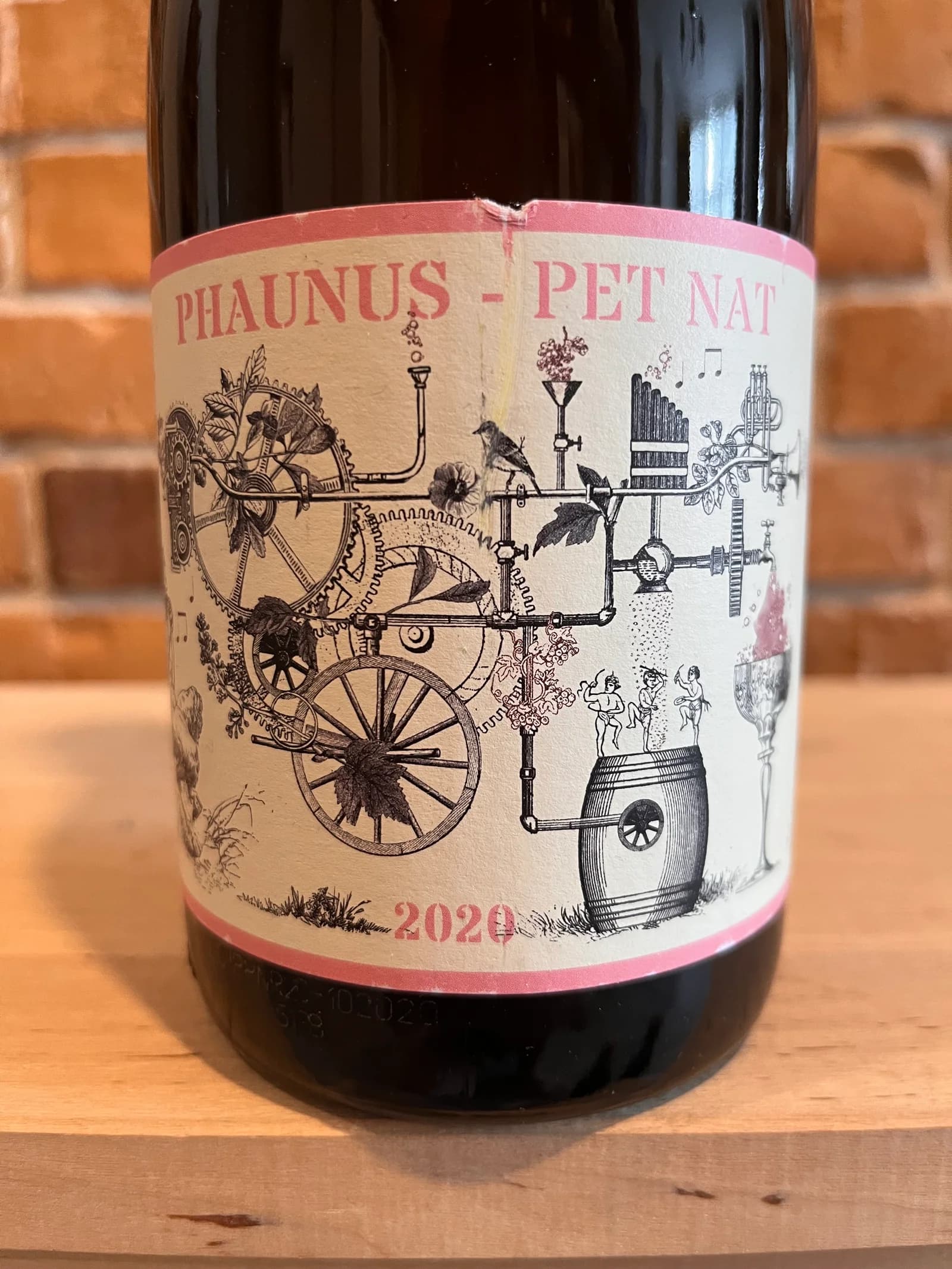
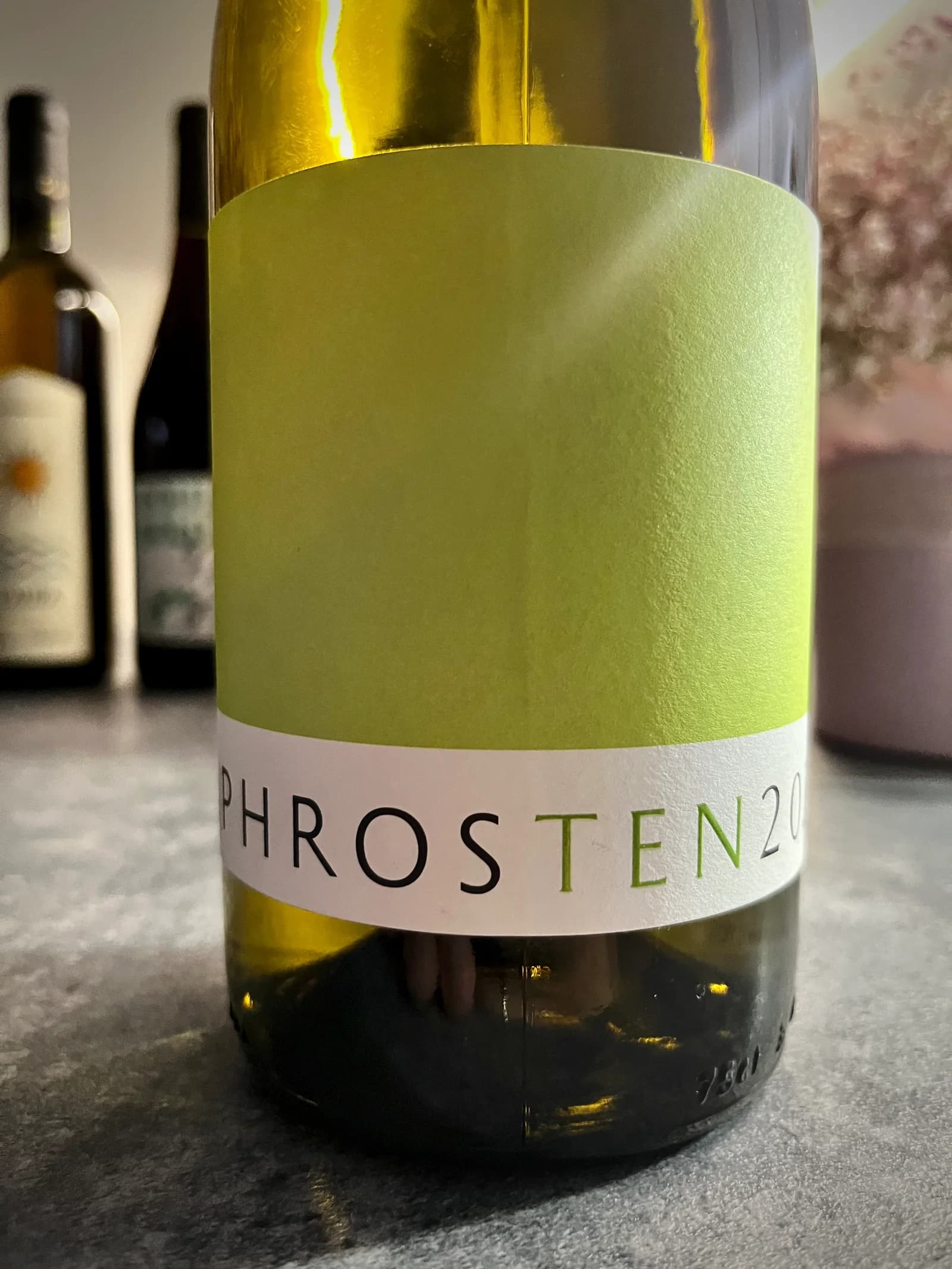
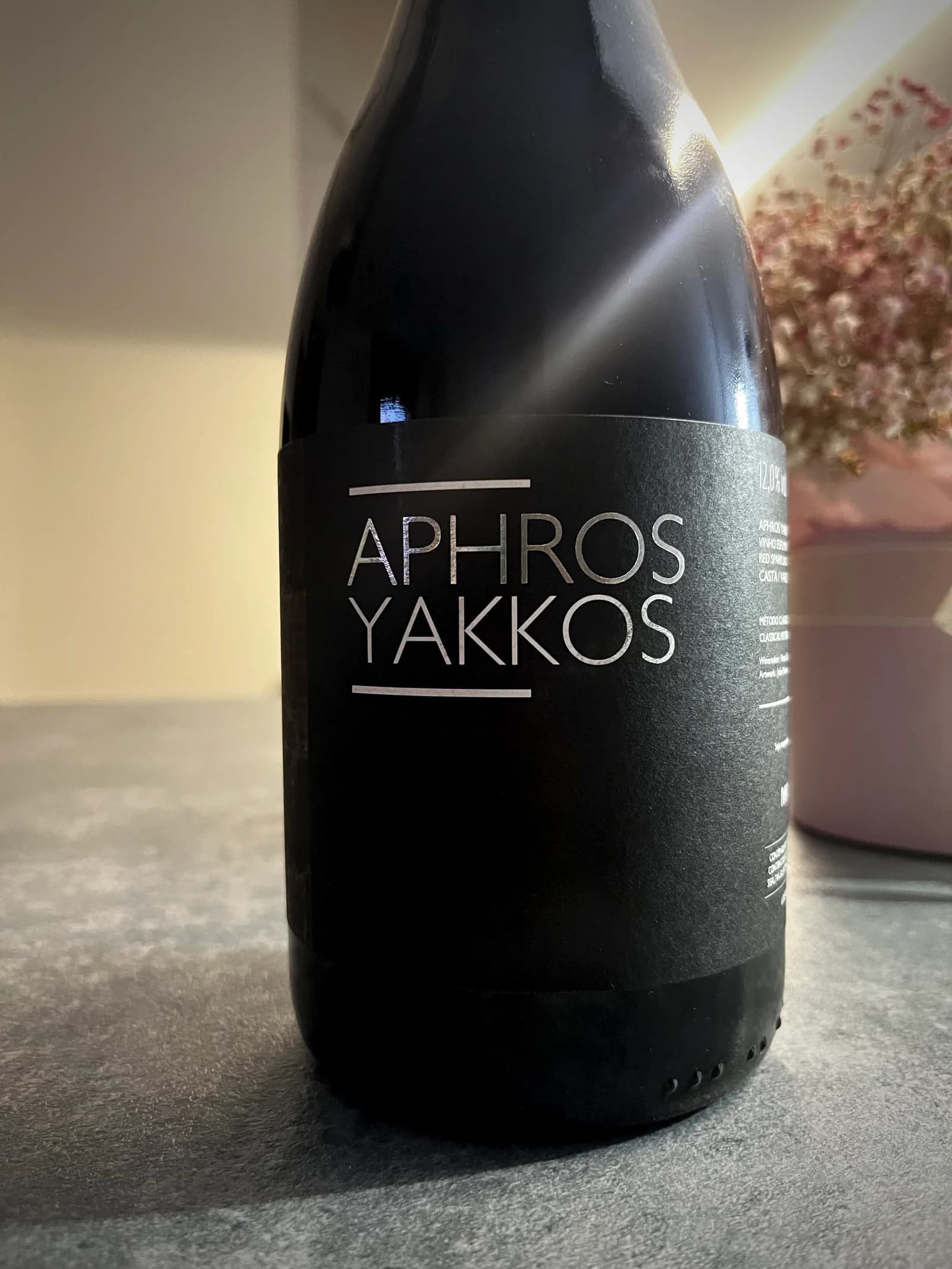
The cuvées: Loureiro (the flagship white), Phaunus (amphora-aged, available in white, red, and pétillant naturel versions), Vinhão (red), Ten (pét-nat), Daphne, Melissae, Ouranos, Silenus, Palhete (rosé/field blend), Yakkos (sparkling), and Evoe (low-alcohol).
Aphros is one of Portugal's pioneering biodynamic producers and has helped redefine Vinho Verde from cheap supermarket fizz to serious, terroir-driven viticulture. The estate also serves as a cultural centre - a meeting point for wine, art, and community in a valley that, before Vasco, most people drove through on their way to somewhere else.